
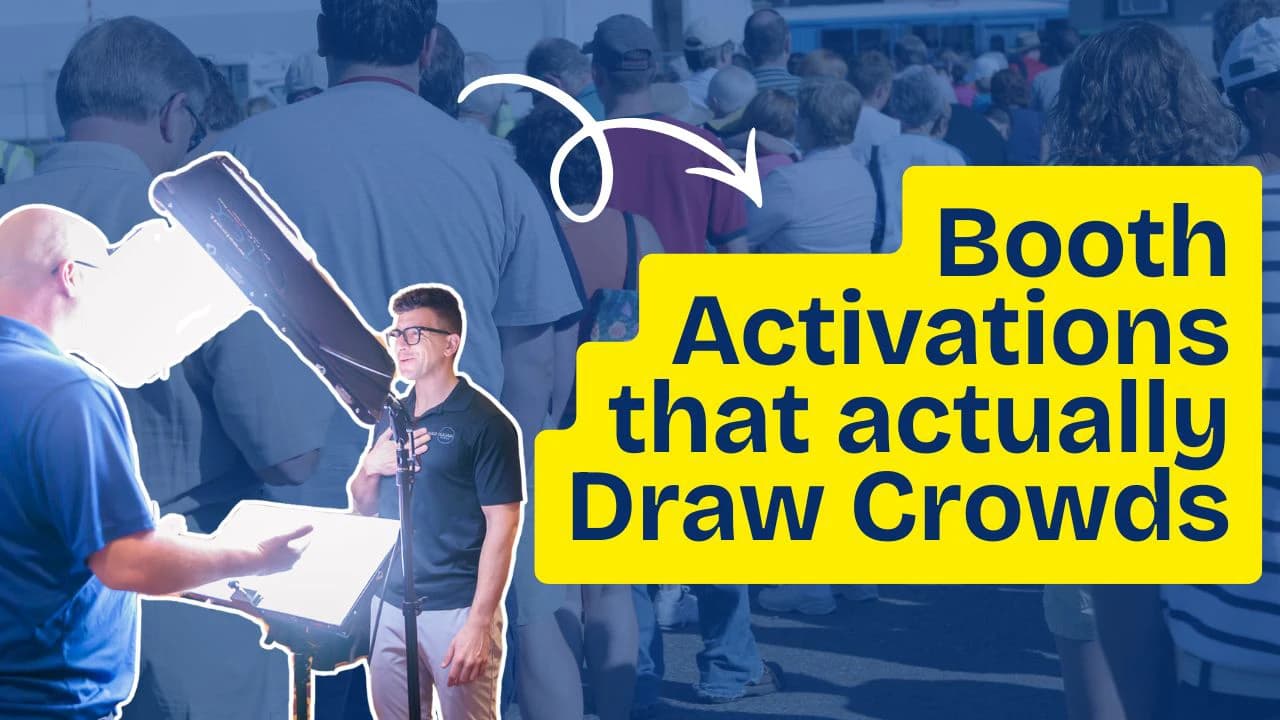
Walk any trade show floor an hour after doors open and you can sort every booth into two groups. There are booths people walk past, and there are booths people stop at. The difference is almost never the size of the space or the quality of the signage. It is whether the exhibitor gave anyone a reason to stop.
That reason is what the industry calls a booth activation.
What a Booth Activation Actually Is
A booth activation is an interactive experience you run inside your booth to earn attention rather than wait for it. The term comes from experiential marketing, where the idea is that you "activate" a physical space by making something happen in it instead of simply putting objects there.
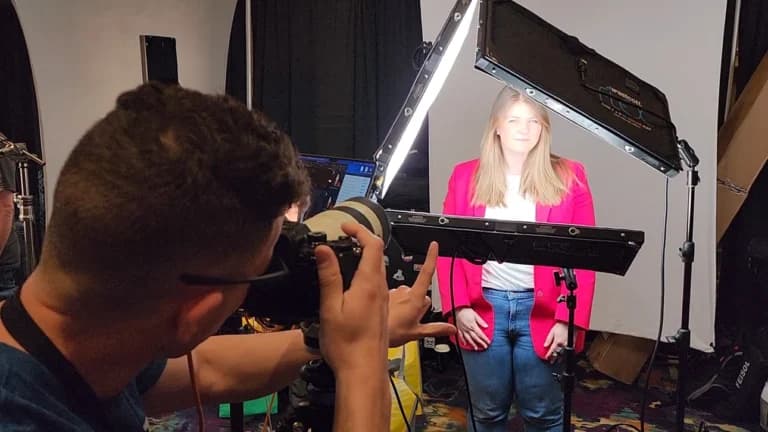
The distinction that matters is this: a display is something attendees walk past, and an activation is something they participate in. A pull-up banner with your value proposition is a display. A branded backdrop where attendees get a professional headshot taken and delivered before they leave the aisle is an activation.
Both cost money. Only one of them changes what the attendee does.
Why Exhibitors Run Them
Traffic is the obvious one. An activation pulls people out of the aisle and into your footprint. But traffic alone is a vanity number, and plenty of exhibitors have learned the expensive way that a crowd is not the same thing as a pipeline.
Dwell time is the part that matters more. A person who spends four minutes in your booth is fundamentally different from a person who spends fifteen seconds accepting a pen. The activation buys you minutes, and minutes are what conversations require.
Qualified conversations are the actual product. The best activations create a natural, low-pressure window where a member of your team is standing beside someone who has already opted in to being there. Nobody feels pitched. That is the whole trick.
The Activation Types That Actually Work
There is no universally best format. There is only the format that fits your audience, your floor space, and what you need to happen afterward. Here is an honest read on the common options, including the ones we do not sell.
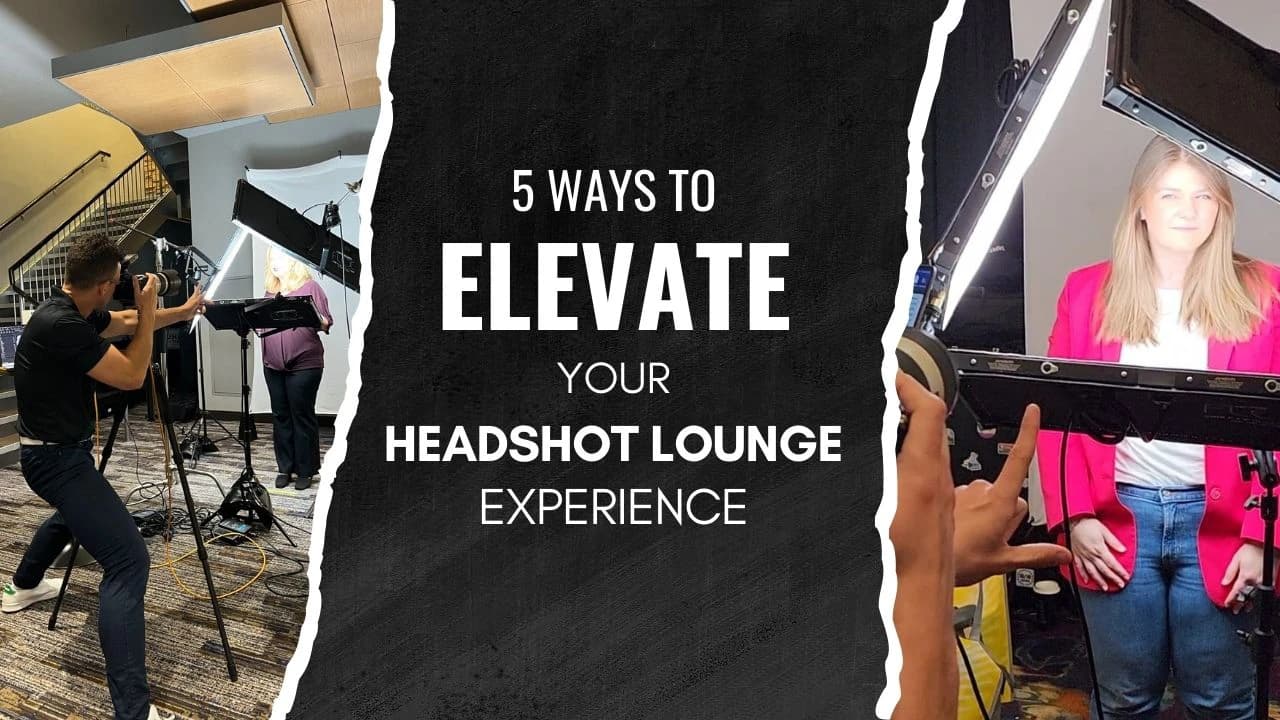
Headshot booths. An attendee steps in front of the backdrop, stands for a professional portrait, and receives a retouched image, often within minutes. Strong draw, high perceived value, and the deliverable keeps working long after the show. Requires staffing and a real photographer, so it is not the cheapest option on this list.
Photo booths. Props, backdrops, instant prints or digital shares. Genuinely fun, easy to run, and reliably social. The tradeoff is that the output is a memory rather than an asset, so the half-life of the impression is short.
Prize wheels and games. Cheap, loud, and effective at stopping foot traffic. The well-known downside is that they attract everyone, including a large share of people who are there for the prize and nothing else. Fine if you need volume at the top of the funnel, frustrating if you need quality.
Live product demos. The highest-intent format on this list, because anyone who stops to watch has already told you something about their interest. Demands the most from your staff and works only if the product demos well in a noisy room with a two-minute attention window.
Charging lounges. Low cost, genuinely appreciated, and they hold people in your space for a long time. The catch is that people at a charging station are usually looking at their phone, not at you, so plan for how the conversation actually starts.
Espresso and specialty coffee bars. Excellent draw, especially in the mid-afternoon slump. The line moves fast, which means less dwell time per person than you might expect, and you are partly competing with the venue's own concessions.
VR and interactive screens. High novelty and strong visual impact from a distance. Throughput is the constraint. One headset serving one person at a time can create a line that looks impressive and converts poorly.
Caricature and live artists. Memorable, personal, and the attendee almost always keeps the drawing. Throughput is limited by the artist's speed, and the output is charming rather than professional, which suits some brands and not others.
Photo Booth vs. Headshot Booth Brand Activation
These two get grouped together constantly, and they behave completely differently.
A photo booth gives someone a laugh. A headshot booth gives them an asset.
That sounds like a slogan, so here is the mechanism behind it. A photo booth image gets shared the night of the event and then it is finished. A professional headshot goes onto LinkedIn, a speaker bio, a company team page, and a conference program, and it stays there for years. Every time that person updates a profile with it, your activation is still running.
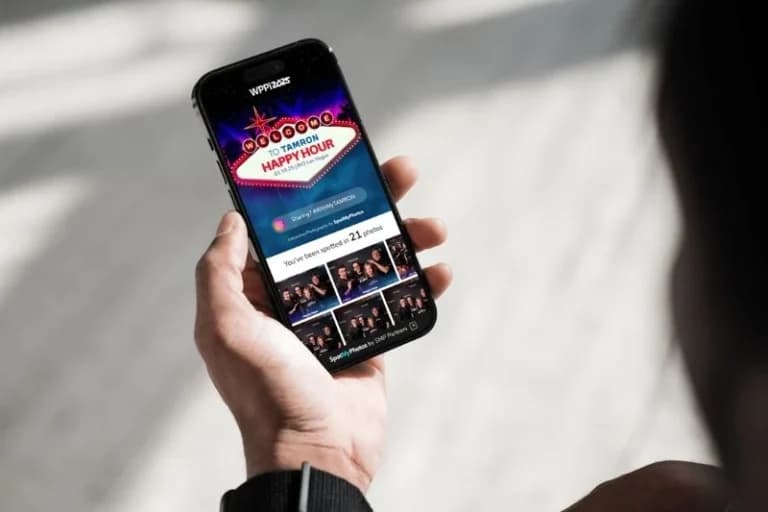
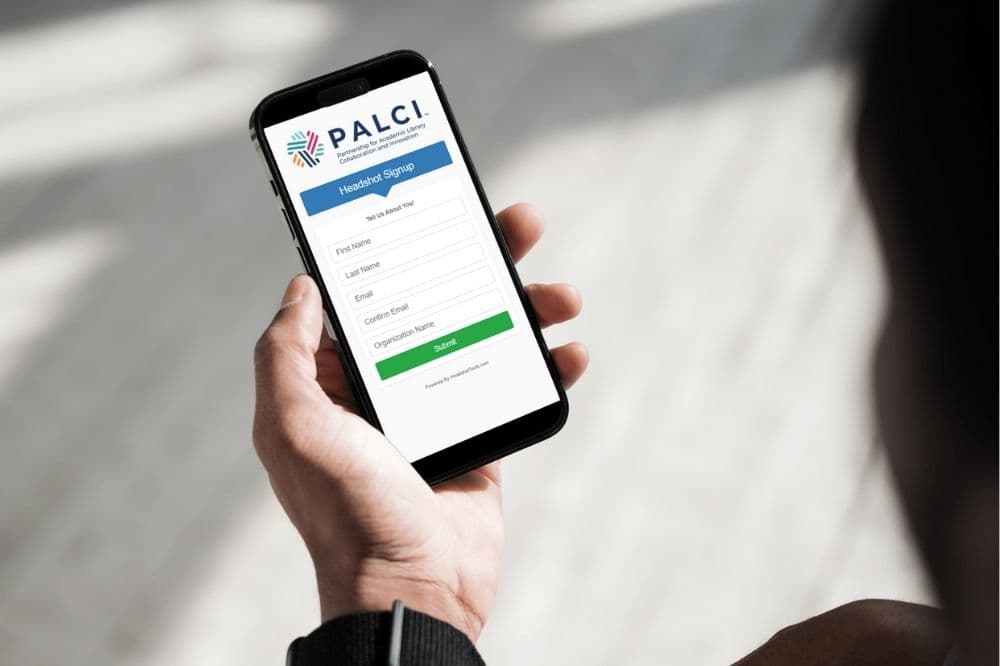
In a photo booth brand activation, the branding lives on the backdrop, the sign-up form, the digital gallery, and the delivery email. The attendee shares the result voluntarily because they actually want to, which puts your brand in front of their professional network at no additional cost to you. That is the part that makes the format work as marketing rather than as decoration.
If you want the specifics of how a headshot version runs on a show floor, we cover the equipment, staffing, timing, and what we need from you on our trade show and conference headshot booth page.
What Makes an Activation Draw a Crowd
Over the past three years we have set up and run headshot booths and lounges at 30 corporate events, photographing more than 9,000 attendees. The formats that worked shared three traits, and none of them were about the equipment.
The line is the advertisement. A queue is the single most effective signal on a trade show floor. People stop to look at what other people are already looking at. An activation that produces a visible, orderly line is doing marketing before anyone in it has spoken to you.
The attendee has to actually want the thing. Reciprocity only works when the gift has real value. A branded stress ball creates no obligation because it costs the attendee nothing to refuse. Something they would otherwise have to schedule and pay for creates a completely different dynamic.
The wait has to be useful. Three to five minutes is the sweet spot. Long enough for a real conversation, short enough that nobody leaves. If your activation has no wait at all, you have built a vending machine.
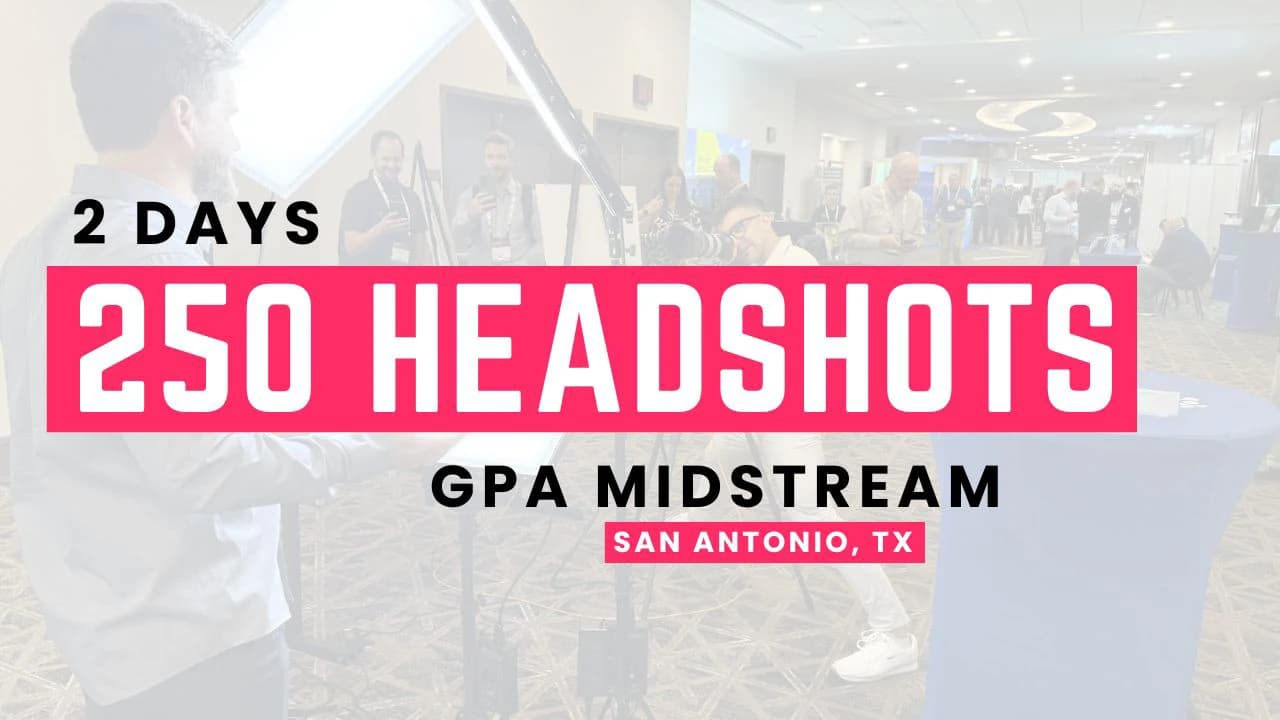
At the GPA Midstream conference in San Antonio, we photographed more than 250 oil and gas professionals across two days and delivered fully retouched images in under three minutes each. The sponsor, PetroSkills, was not paying for photography. They were paying for the several hundred conversations that happened in that line.
How to Measure a Booth Activation
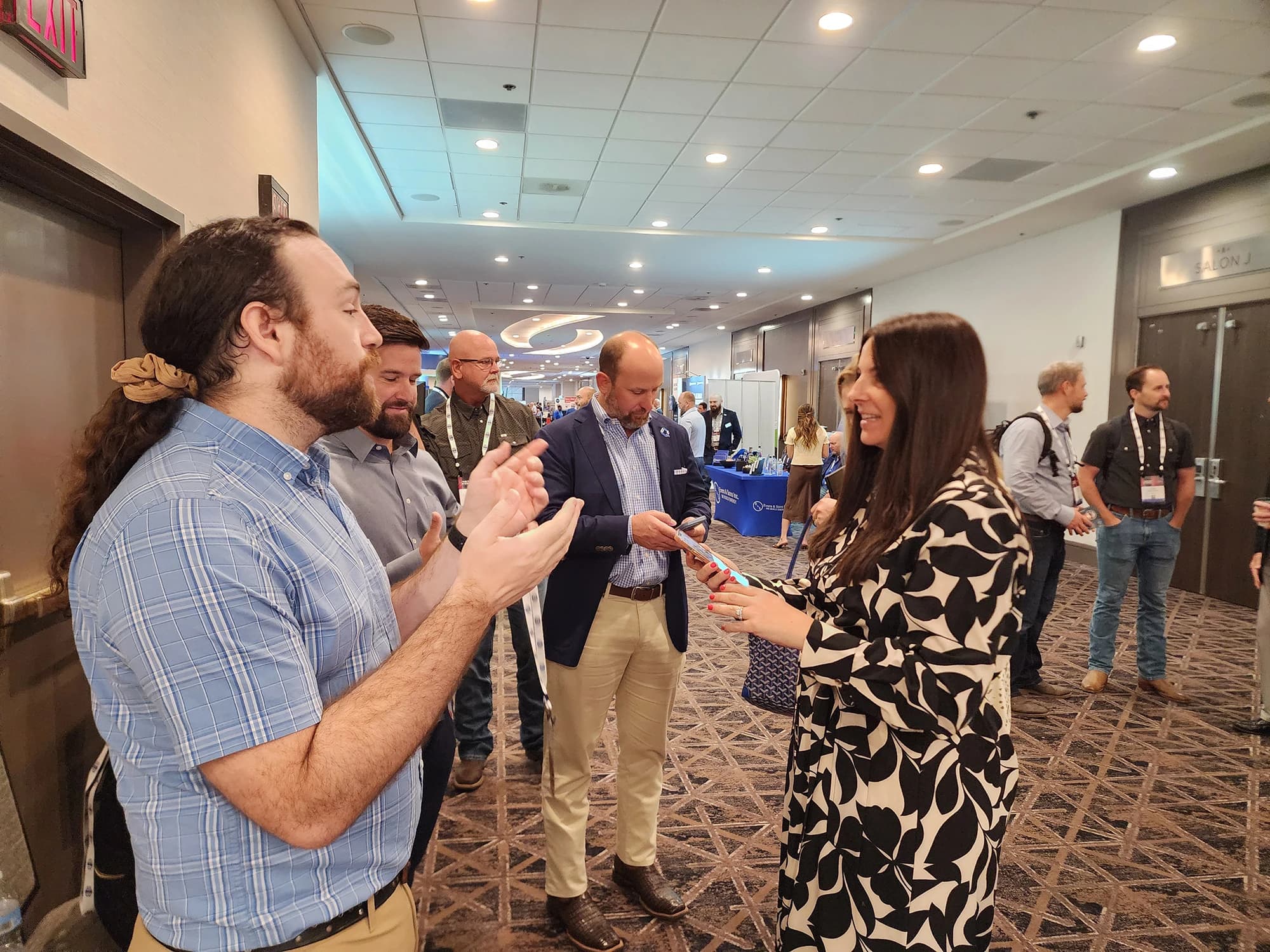
Most exhibitors measure the wrong thing, which is total participants. Here is a more useful set.
| Metric | What it tells you | How to capture it |
|---|---|---|
| Participants | Raw draw of the format | Sign-up count |
| Qualified conversations | Whether the draw reached the right people | Staff logs a tally against a pre-agreed definition |
| Contact capture rate | Whether your sign-up flow is friction-free | Contacts divided by participants |
| Average dwell time | Whether you bought enough minutes | Timestamp sign-up and delivery |
| Cost per conversation | The number to compare formats year over year | Total activation cost divided by qualified conversations |
| Post-show engagement | Whether the impression outlived the show | Track opens and clicks on the delivery email |
Decide what a qualified conversation means before the show opens, not afterward. Otherwise the number is whatever your most optimistic team member says it is on the flight home.
Sponsor-Funded Activations
An activation does not have to come out of your own marketing budget.
At association meetings and multi-day conferences, the common structure is that a sponsor funds the experience in exchange for branded placement across every touchpoint: the backdrop, the sign-up form, the gallery, and the delivery email. The event organizer gets an amenity that makes the program better without adding cost, the sponsor gets qualified leads and sustained brand exposure, and the attendee gets something genuinely worth their time.
This is a different shape from an exhibitor-hosted activation. On a trade show floor, the exhibitor wants the line at their own booth. At a conference, the organizer usually wants the experience in a quieter shared space where it serves the whole program. We break down that second model on our headshot lounge page.
Common Booth Activation Mistakes
The five that cost the most money:
Drawing a crowd with no one free to talk to it. If every staff member is running the activation, you have hired an audience and forgotten the sales team.
Choosing a format that attracts swag hunters. High-value giveaways with no qualification step fill your booth with people who will never buy. Volume is easy. Relevance is the hard part.
Ignoring throughput math. Take your show hours, divide by minutes per participant, and be honest about the result. One station running four minutes a person over six hours serves about 90 people, not 400.
Treating contact capture as an afterthought. Ask for the email as part of signing up for the experience, never as a separate request at the end. Attaching the ask to the moment of highest goodwill roughly doubles what you keep.
Letting the line block the aisle. Show management will shut it down, and your neighboring exhibitor will remember it next year.
Choosing an Activation for Your Booth Size and Budget
Start with what you need to happen after the show, then work backwards.
A trade show floor is a numbers game, and it should be treated like one. There is no way to qualify a stranger in an aisle without talking to them first, so the job of the activation is to put as many people in front of your team as the day allows. What separates the formats is not volume versus quality. It is how fast the line moves, how long each person stays with you, and what they carry out of your booth.
If you need speed above everything, a short cycle time serves you best: coffee, prize wheels, quick photo booths. A lot of names, very little time with each one, and a deliverable that is forgotten by the weekend.
If you need volume that also holds people, a headshot booth does both at once. Throughput is the entire point, and the line still gives your team three to five minutes beside every person in it. Nobody has to choose between a busy booth and a real conversation.
If you need depth over reach, a live product demo trades throughput for intent. Fewer people, but everyone who stops has already told you something about why.
If you are working a 10x10 space, you have more options than you think. A headshot booth needs roughly that footprint for camera, lighting, and backdrop. The real constraint is not your booth, it is the aisle: plan where the line forms before you plan what draws it.
If your event is a multi-day conference rather than a trade show, look at the sponsor-funded headshot lounge model instead of a booth-scale activation. It sits in a shared space, runs across the whole program, and serves every attendee rather than the traffic in one aisle.
And if the answer is that a headshot booth is the right fit, we bring the staff, the equipment, and the workflow that turns a line into a lead list. The details, the venues we have worked, and how the pricing is structured are all on our headshot booth page.