
Conference Headshot Tips:How to Get a Great Photo in 2 Minutes
A conference headshot is not a studio session. You get about two minutes in front of the lights, not two hours. That's plenty of time to walk away with a photo you'll actually use - if you show up prepared. Here's how to beat the odds.






The Short Version
A conference headshot gives you about two minutes, not a two-hour studio session. To get a good one: skip the company polo (wear a button-down and a jacket), go in the morning and early in the event, size up the photographer before you pick a line, and bring lipstick or light makeup to freshen up. Most booths deliver on the spot, so you can often come back and retake it.
Why Conference Headshots Have a Bad Reputation
Let's be honest: conference headshots are notoriously bad. Three things are usually to blame:
They're fast. Two minutes at the camera leaves no room to figure things out on the fly.
The talent varies. Plenty of inexperienced photographers work the conference circuit, and the results show it.
Most people show up unprepared. They expect the photographer to fix everything in a setting built for speed, not miracles.
Here's the good news: two of those three are completely in your control. You can't speed up or slow down the booth, but you can prepare like a pro and you can choose which line to wait in. That's most of the battle, and the rest of this guide is how to win it.
Pack a Real Headshot Outfit (and Skip the Polo)
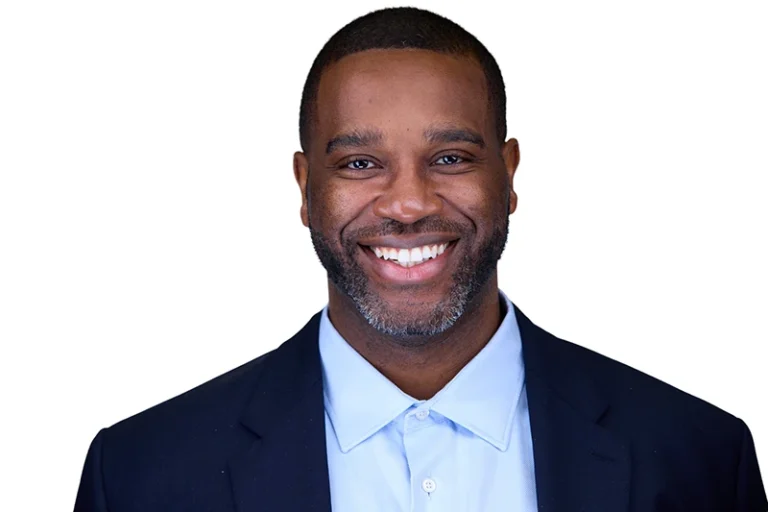
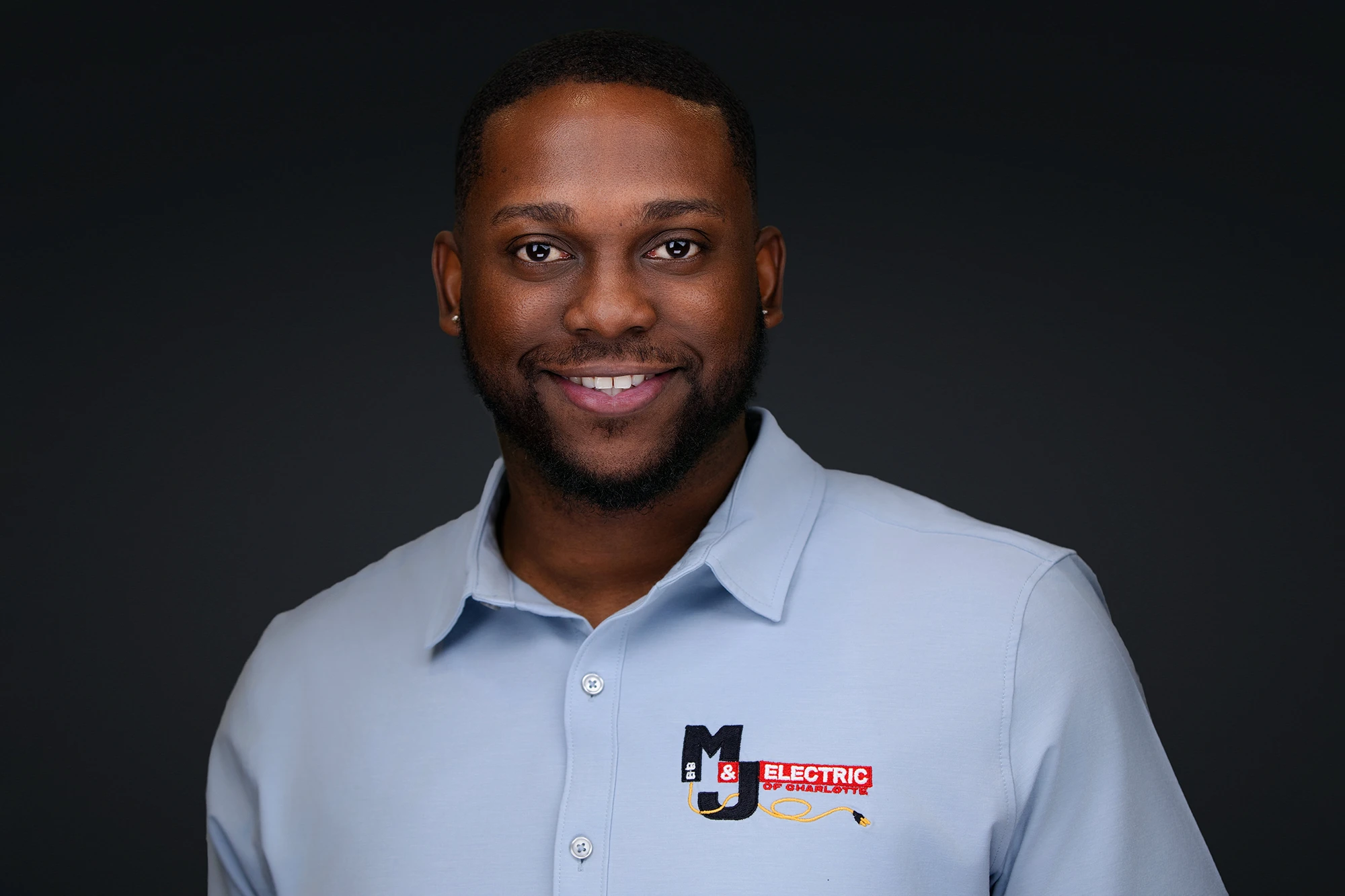
The single biggest mistake at a conference booth is wearing your company polo. It will never look as good as a button-down and a sport jacket. A polo reads as "free conference headshot" - it flattens your shoulders, has no structure, and tells everyone exactly where the photo was taken.
In the studio, the only people who wear polos are the ones matching a standard their team set. Everyone else shows up in layers, because layers photograph better. A collar frames your face. A jacket gives your shoulders a defined, confident line. That structure is what separates a headshot that looks intentional from one that looks like an afterthought.
So plan for it. Walk the conference floor in whatever is comfortable, and carry a dedicated headshot top - a fresh blouse, a button-down, or a sport jacket - to change into right before you step up. If you sweat easily, swap into it at the last minute. Keep it on a hanger so it doesn't wrinkle in your bag. Solid colors and subtle patterns photograph best; save the busy prints for another day. (For more depth on color, see our guide on the best colors to wear for headshots.)
Timing: When to Get Your Shot
Go in the morning. You look your freshest early in the day - before the floor walking, the back-to-back sessions, and the catered lunch catch up with you. By late afternoon you're tired, a little wilted, and it shows around the eyes. Morning light on your face, literally and figuratively, is a real advantage.
Don't wait for the last day. This is the mistake that costs people their shot entirely. Headshot photographers aren't always on-site for the full run of a conference, and a booth can pack up before the event officially ends. If you put it off until the final afternoon, there's a real chance the line is closed and the gear is in cases. Get it done early and cross it off.
Mind the night before. We're not asking you to skip the networking - just know that the open bar and the 1 a.m. room-service nachos show up in your face the next morning. Stay hydrated, get a real night of sleep on your first night, and you'll have brighter skin and fewer dark circles to work with.
Scout the Photographer Before You Commit to the Line
Remember, the talent varies. So before you invest twenty minutes in a line, watch the photographer work for a minute or two. This is your free recon.
The tell of a good one: they step out from behind the camera. A skilled photographer - or their assistant - comes around to fix a flyaway hair, straighten a collar, and actually direct your posing. They don't just fire the shutter and wave you off. That hands-on adjustment is the difference between a snapshot and a real headshot, and you can spot it from the back of the line.
The short line myth. A short line does not mean a bad photographer - some are simply fast and efficient, and a quick line can be a sign they know exactly what they're doing. And a long line is no guarantee of quality either; sometimes it just means the booth is understaffed. Judge by how they work, not by how many people are waiting.
The long line, on purpose. Here's a wrinkle most people don't know: a lot of conference headshot booths are sponsored, and the sponsor often wants a visible line. It gives them a captive audience to work - handing out materials and talking to attendees while they wait. So a long line can simply mean the booth is popular and well-backed, not slow. And it can actually work in your favor: a sponsored photographer usually isn't racing the clock, which means more time to prep you properly - fixing your hair, adjusting your collar, and getting the shot right instead of rushing you through.
One more reason to relax: some conference photographers deliver your image on the spot. If you don't love the first round, you can often come back later and try again - with a different top, better posture, or after a quick freshen-up. Knowing you may get a second pass takes the pressure off the first one.
Bring a Freshen-Up Kit
Pack a small kit for the line: lipstick or light makeup, a comb, and blotting sheets to kill shine. Apply lip color right before you're up, not an hour earlier. The waiting line is the perfect time to do this - decide how you want your hair, fix anything that's drifted, and watch a few people get posed so you know what to expect.
Most booths have a mirror. Some photographers bring a curling or flat iron for quick touch-ups. Only rarely will a photographer bring a makeup artist along - though we do, at some of our events. Don't count on it being there, but it's a nice bonus when it is.
Your Two Minutes at the Camera
A good photographer will guide you, but the clock is short. Walk up already knowing these five things and you'll make every second count:
Stand tall. Imagine a string pulling you up from the top of your head. Good posture reads as confidence before you've done anything else.
Forehead toward the camera, chin slightly down. Push your forehead a touch toward the lens and drop the chin without leaning your whole body in. It feels awkward and it kills a double chin instantly.
Hands off your sides. No hands on hips. Letting your arms hang naturally keeps your shoulders and frame clean. Posing is small adjustments, not big moves.
Put tension in your eyes. Add a little pressure to your lower eyelids - amateurs call it "smizing," the best headshot photographers call it "squinching." Even for a serious, non-smiling look, keep slight tension in the corners of your mouth so you don't look flat.
Look right at the lens. You're making a direct connection with the person via your headshot. So it's important that you're making eye contact and not glancing off into the distance like an Instagram model.
Want more detail before your session? Our gender-specific guides go deeper: Headshot Tips for Men and Headshot Tips for Women.
Conference Headshot FAQs
- Why do conference headshots have a bad reputation?
- Three reasons: they're fast (you get about two minutes, not a two-hour studio session), the talent level varies wildly because plenty of inexperienced photographers work the conference circuit, and most people show up unprepared. You can't change the speed, but preparation and which booth you choose to wait in are completely in your control, and they account for most of the difference between a headshot you use and one you hide.
- What should I wear for a conference headshot?
- A button-down with a sport jacket, or a structured top with a layer. Avoid your company polo. A polo reads as 'free conference headshot' and never looks as sharp as a collar and a jacket. The smartest move is to walk the conference floor in whatever is comfortable and carry a dedicated headshot top or jacket to change into right before you step up to the camera.
- How long does a conference headshot actually take?
- About two minutes in front of the camera, sometimes less. That's exactly why preparation matters so much: there's no time to sort out your outfit, your hair, or your expression once you're up. Everything that makes the photo good has to be decided before you reach the front of the line.
- When should I get my headshot during a conference?
- In the morning and early in the event. You look freshest in the morning - less tired, less wilted from a day on the floor. And don't wait until the last day: headshot photographers are not always on-site for the entire conference, and the booth can pack up before you get your shot. Go early so you're not the person who missed it.
- How can I tell if the conference photographer is any good?
- Watch them work before you commit to the line. A strong photographer, or their assistant, steps out from behind the camera to fix your hair, straighten a collar, and direct your posing - they do not just shoot and wave you off. And do not assume a short line means a bad photographer; some are simply fast and efficient. A long line is not a quality guarantee either.
- Can I retake my conference headshot if I don't like it?
- Often, yes. Many conference photographers deliver your images on the spot, so if you do not love the first round you can come back later and try again, maybe with a different top or after a quick freshen-up. Bring lipstick or light makeup; most booths have a mirror, some have a curling or flat iron, and a few even bring a makeup artist.
Hosting a Conference or Trade Show?
Give your attendees a headshot they'll actually keep. We run fast, well-directed headshot booths that move the line and still deliver studio-quality results.
See How Our Headshot Booths Work