STYLING GUIDE
Headshot Tips for Men
Headshots for men work best when wardrobe, grooming, and confidence land together. Here's the prep that makes the difference.


Quick Answer
The highest-percentage prep for a men's professional headshot:
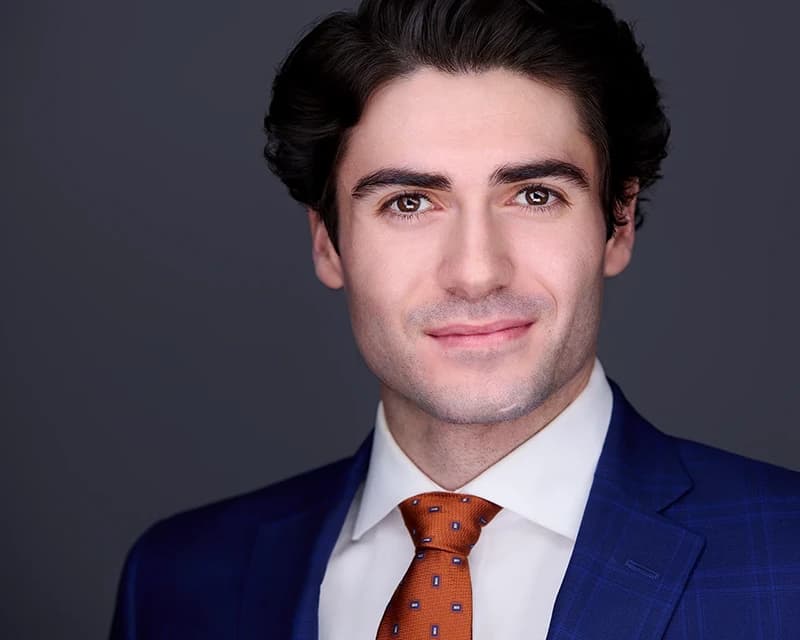
- Wardrobe: fitted blazer over a solid navy, charcoal, or white shirt. Avoid logos, neon, and tight stripes (they cause moiré).
- Hair: get your cut 7-14 days before your session, not the day before. Style it the way you wear it on a regular workday.
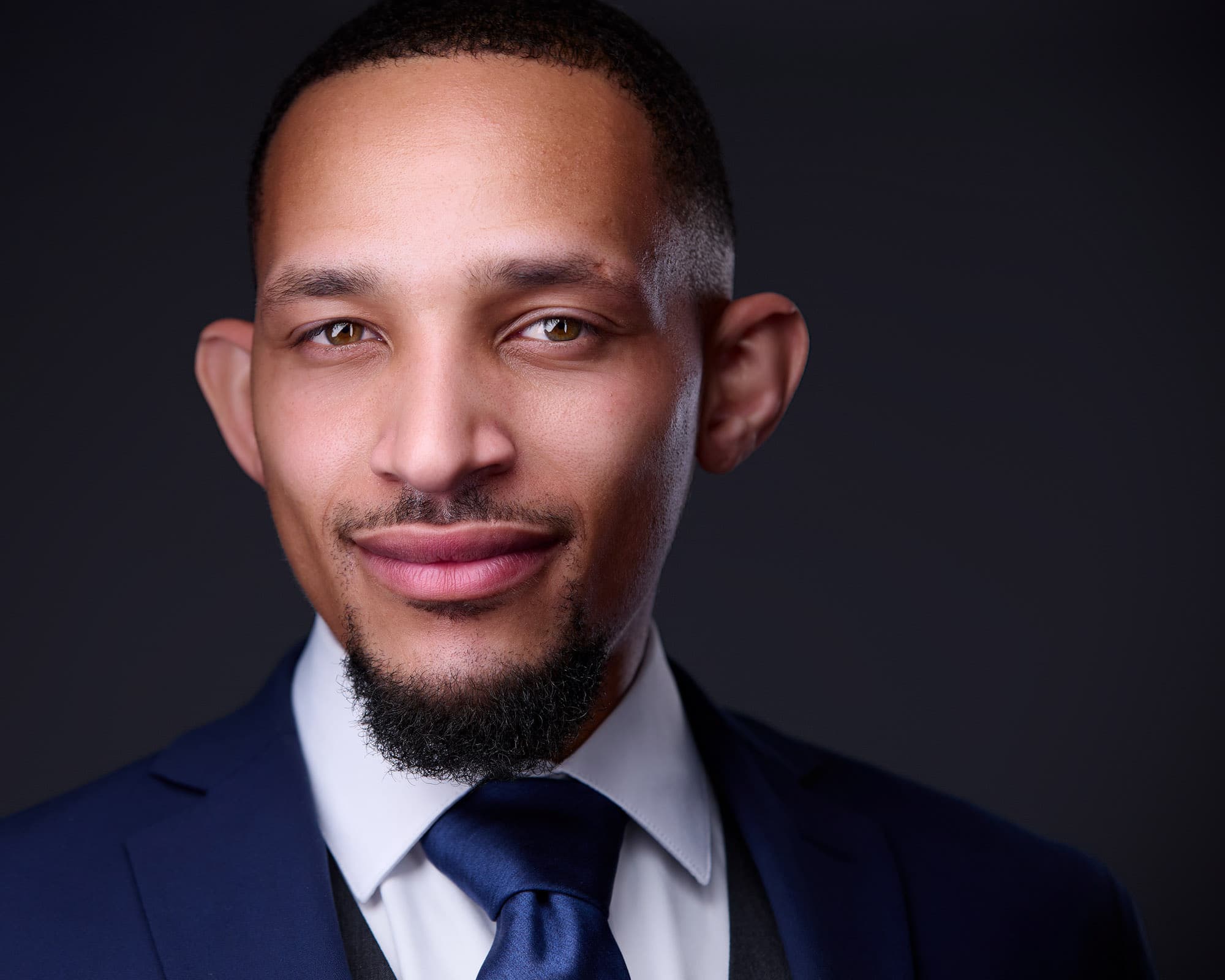
- Facial hair: trim or shave to your usual look. Clean lines along the cheek and neck matter more than length.
- Skin: hydrate three days out, eight hours of sleep the night before, no SPF moisturizer the morning of (causes shine).
- Bring: two outfits, your daily styling product, and a comb. Lint rollers and touch-up kit provided in studio.
Wardrobe & Clothes
After four years photographing professionals across Pittsburgh, the prep that separates a great men's professional headshot from a forgettable one is surprisingly consistent - and most of it can be done the night before.
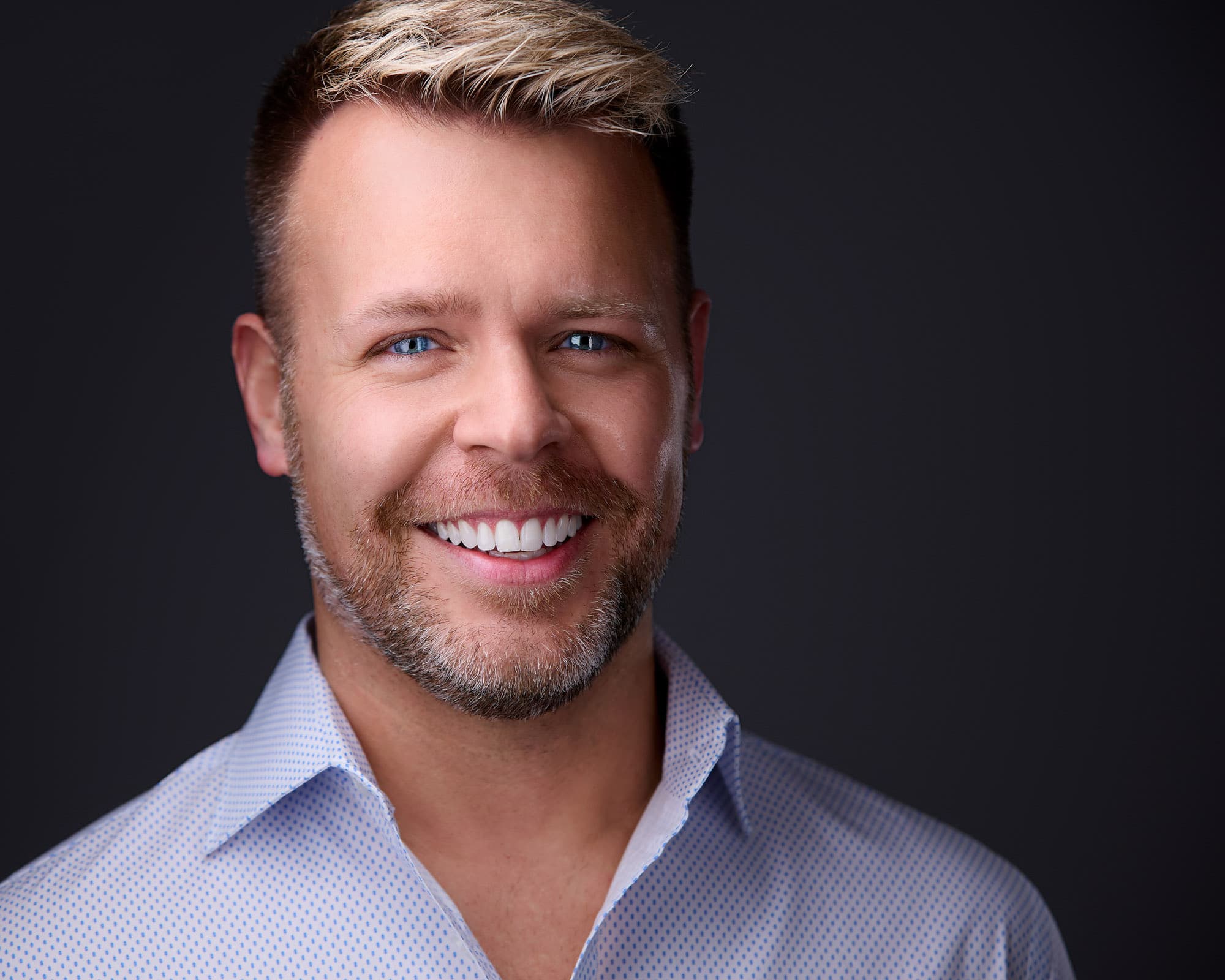
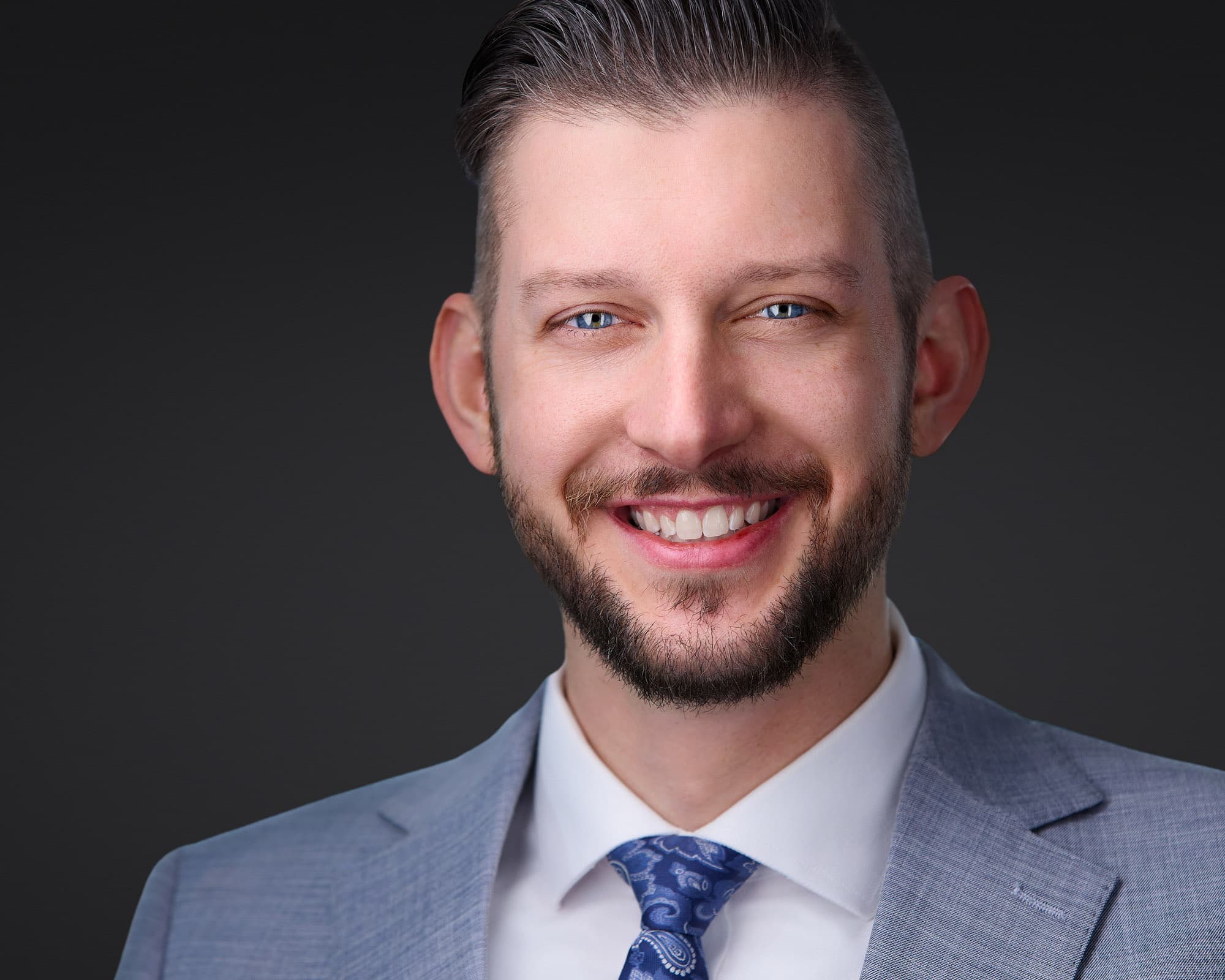
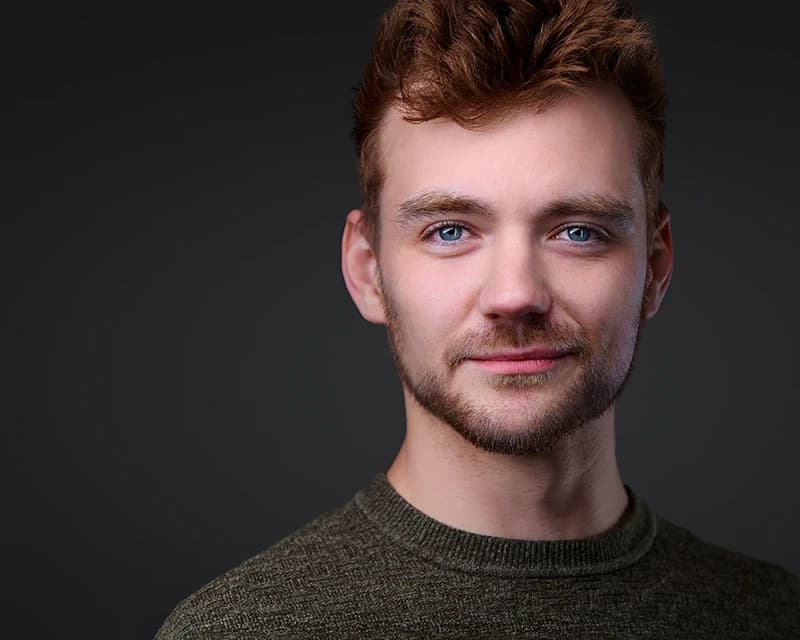
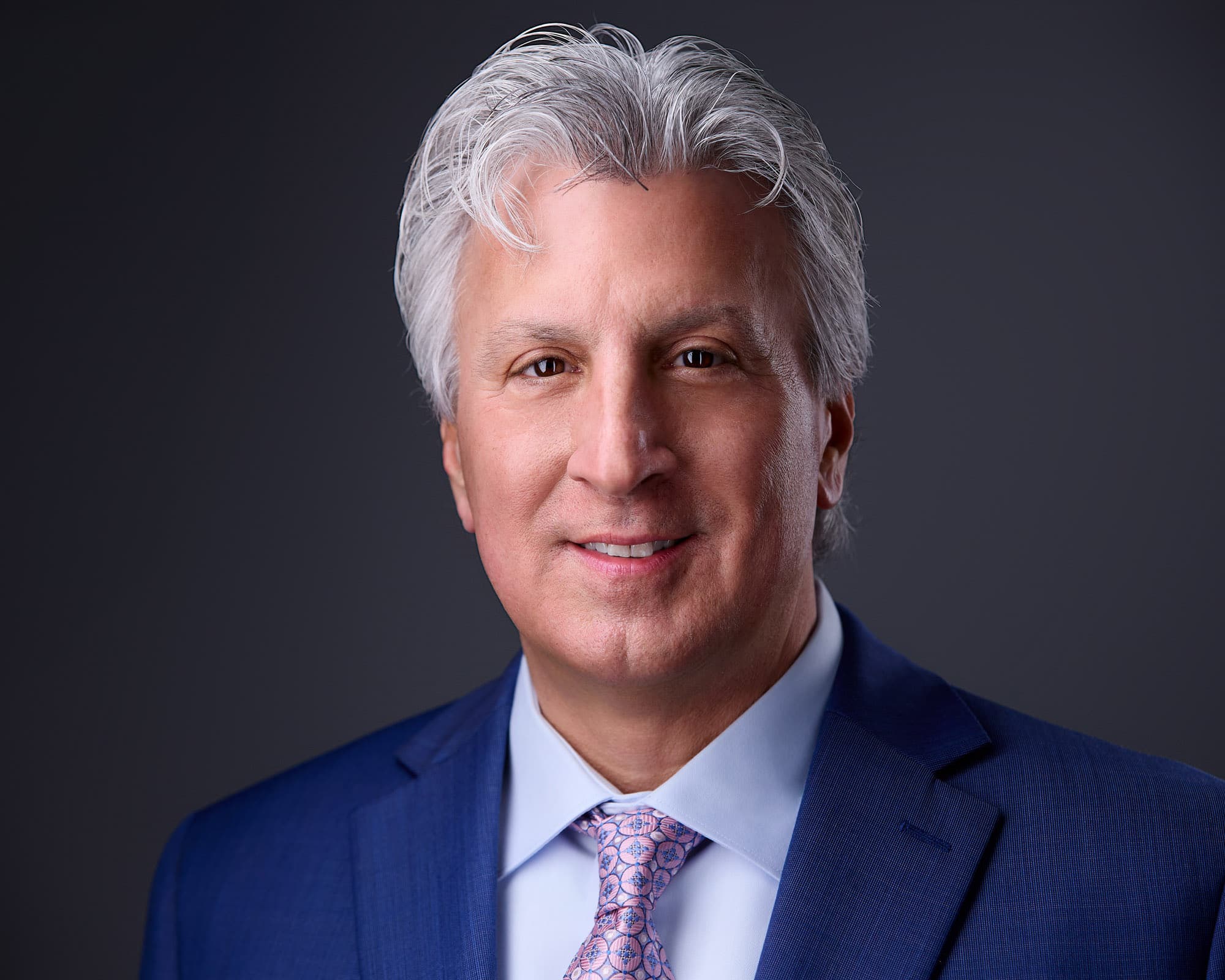
Men's professional headshots reward simplicity - a well-fitted blazer beats a flashy print every time. But fit is what most guys get wrong before they even think about color. A jacket that's slightly too big in the shoulders adds 10 pounds in the photo. A shirt collar that's a half-inch too loose around the neck reads as "I borrowed this for my wedding photos." If your blazer hasn't been tailored since you bought it, that's the first thing to fix.
Look at male headshot examples from the past five years and you'll see the same wardrobe wins repeating: fitted blazer, solid shirt, neutral tones, no distractions. The fundamentals don't change. Here's the wardrobe playbook I give every guy before his shoot:
- Fit comes first. Try everything on a few days before. Sit down in it. Raise your arms. If anything pulls, gaps, or wrinkles awkwardly when you move, swap it.
- Solid colors photograph best. Navy, charcoal, black, and clean whites work for almost every industry. If you wear color daily - burgundy, rust, deep green - bring it. Your headshot should match how you actually show up to work. For a deeper look at which colors flatter your skin tone, read best colors to wear for headshots.
- If you wear stripes, space them wide. Tight, close-together stripes create a moiré pattern under high-resolution sensors - a wavy, shimmering distortion that's hard to fix in post. Pinstripes look great on a guy, but the lines need real space between them. Same rule for tight checks and dense herringbone.
- Necklines: collared, V-neck, or crew. A crisp button-up under a blazer is the most reliable look. Crew necks under a jacket work for casual industries. V-necks work but can feel dated if the V is too deep.
- Blazers and jackets photograph exceptionally well as long as the shoulders fit. Avoid shoulder pads or anything that feels like it's wearing you. Bring at least one jacket option even if your day-to-day is jeans-and-a-tee.
- Bring layers. A jacket on, a jacket off, a jacket over a sweater - three combinations from one outfit. Variety in the same look gives the gallery more to choose from.
- Iron everything the night before. Wrinkles show up darker than you'd think. If you live in a steamer, bring it.
Two things to skip: anything with a logo bigger than a postage stamp, and anything that's neon. Both pull the eye away from your face - and the whole point of a headshot is the face.
If you're booking for an industry that has a clear dress code (law, finance, executive leadership, healthcare administration), lean into it. If you're in a creative or tech role with more wardrobe latitude, bring two looks: one buttoned-up, one that reflects how you actually dress at work. We'll shoot both and you can pick what fits the platform - your LinkedIn might want one, your About page another.
Men's Hair for Headshots
Hair is half of what people see in your headshot - and it's the prep step that gets the least thought.
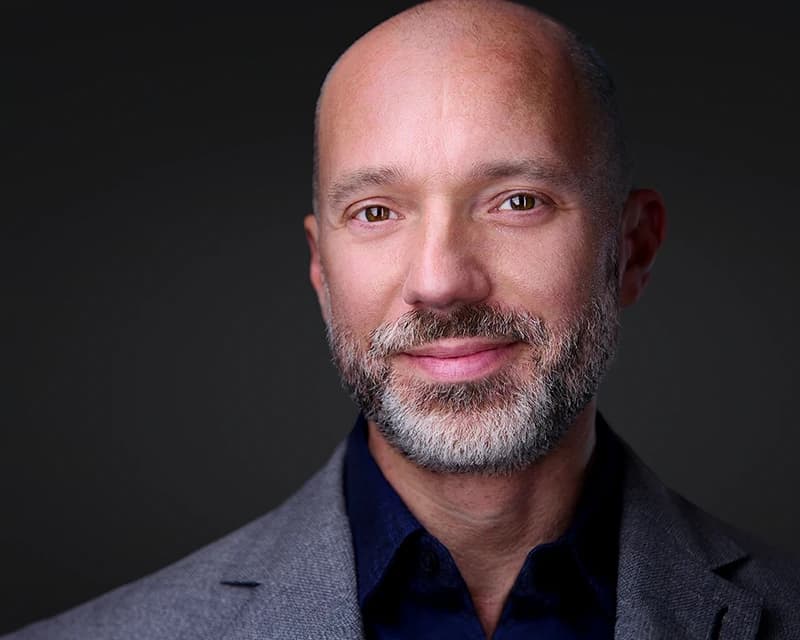
The single biggest mistake is getting a haircut the day before. Fresh cuts often look raw - sharp lines, visible scalp, gel residue. Aim for 7 to 14 days out from your session. That window lets the cut settle into how it actually wears day-to-day.
If you have plenty of hair, plan to style it the way you do on a regular workday - not a special-occasion blowout, not a date-night attempt. The reason: your headshot lives on LinkedIn for years, and people seeing it in person should recognize you. Bring whatever product you use (pomade, paste, cream, or nothing at all) so we can touch up between looks.
If you're thinning or your hairline has receded, the lighting strategy I use does two things: it keeps highlights off the scalp where you don't want shine, and it pushes shadows where they fill in the perceived hairline. You don't need to do anything special on your end - clean hair, dry, no product loading. Trust the photographer.
For balding or fully shaved heads, men's headshot poses with strong jawline framing and slightly angled shoulders work best. Lighting that comes slightly from above tends to flatten the dome of the head; lighting more level with the face creates dimension. I'll position you accordingly when you step in front of the camera.
A few practical notes:
- Shower the morning of your session. Towel-dry, then style.
- Avoid heavy oils or anything that catches light.
- If your hair has a clear part, set it before you arrive. We can adjust on the chair, but starting with your usual part saves time.
- Bring a comb if you use one. I keep a small kit at the studio, but your tools work better than mine for your hair.
Color is the last thing to think about. If you color your hair, schedule the touch-up at least a week before - fresh dye can look uniform in a way that reads unnatural on camera. If gray is part of your look, lean into it. Salt-and-pepper photographs beautifully and reads as authoritative.
For the full picture on timing your cut and color, hair up versus down, flyaways, and more, see our complete guide to hair for headshots.
Facial Hair
The decision isn't "beard or no beard" - it's how the facial hair you have right now is going to translate on camera.
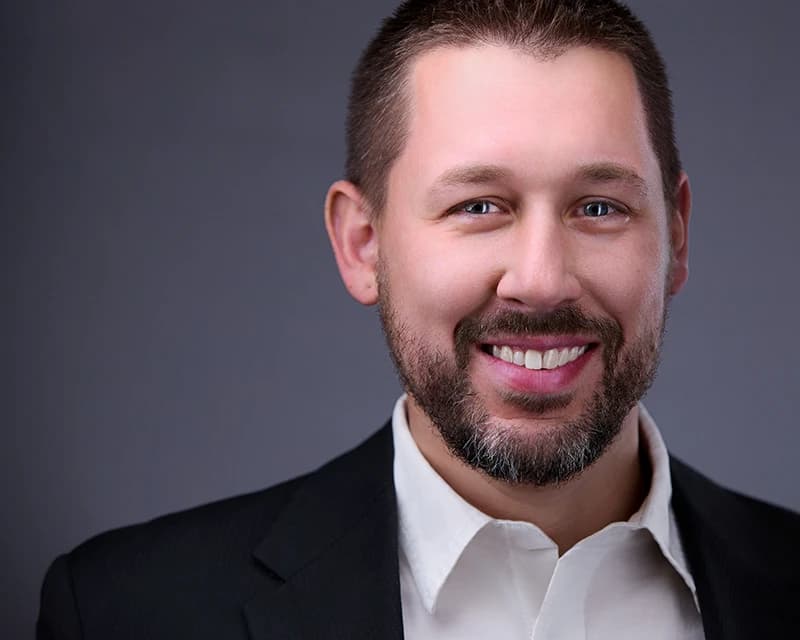
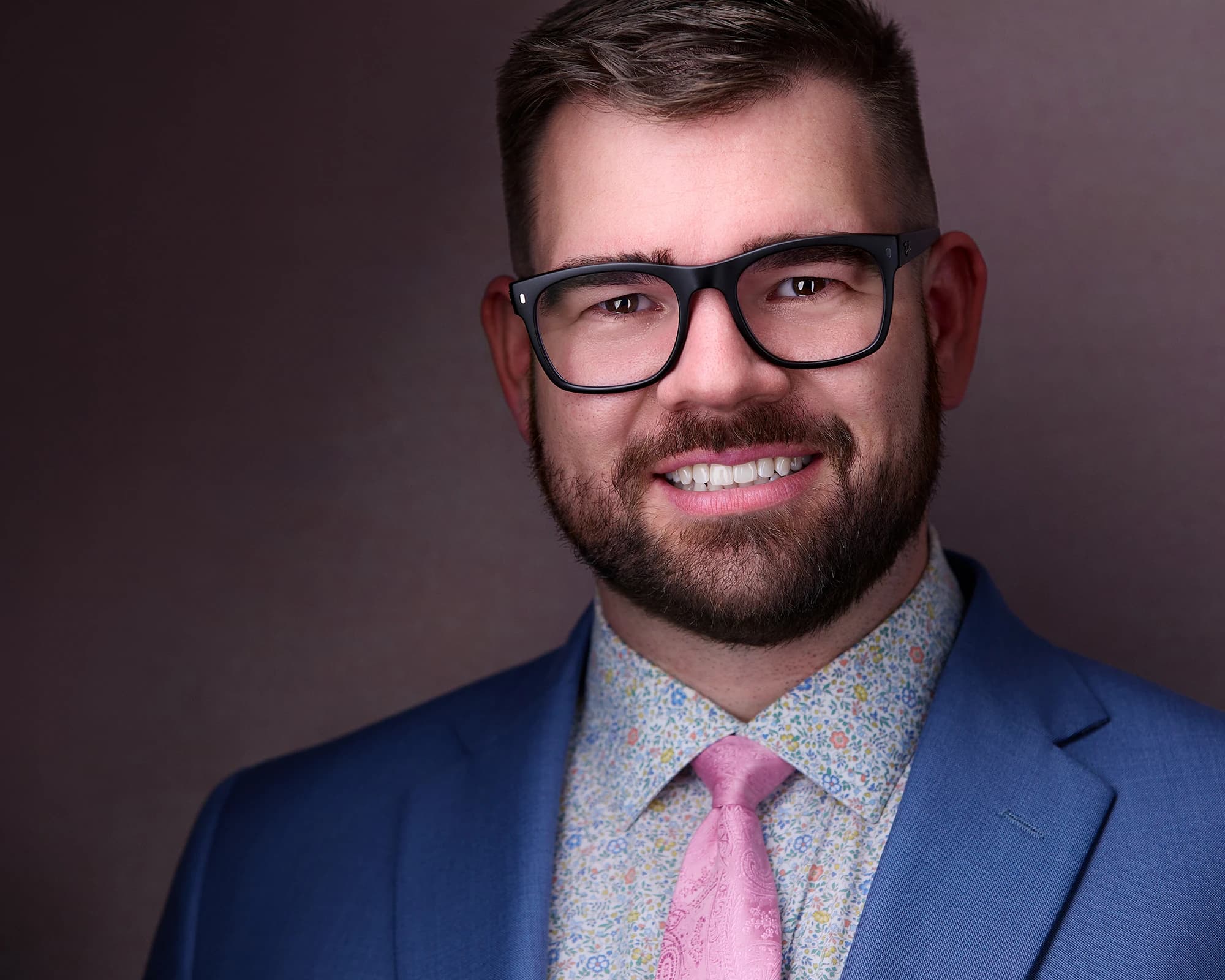
If you wear a full beard daily, plan to trim it within a few days of the shoot. Not the morning of - give the lines a day or two to soften so they don't look freshly carved. Wash and condition it the night before. Brush it once before you leave the house. A beard that looks coarse or scraggly on camera is almost always one that's clean but unbrushed.
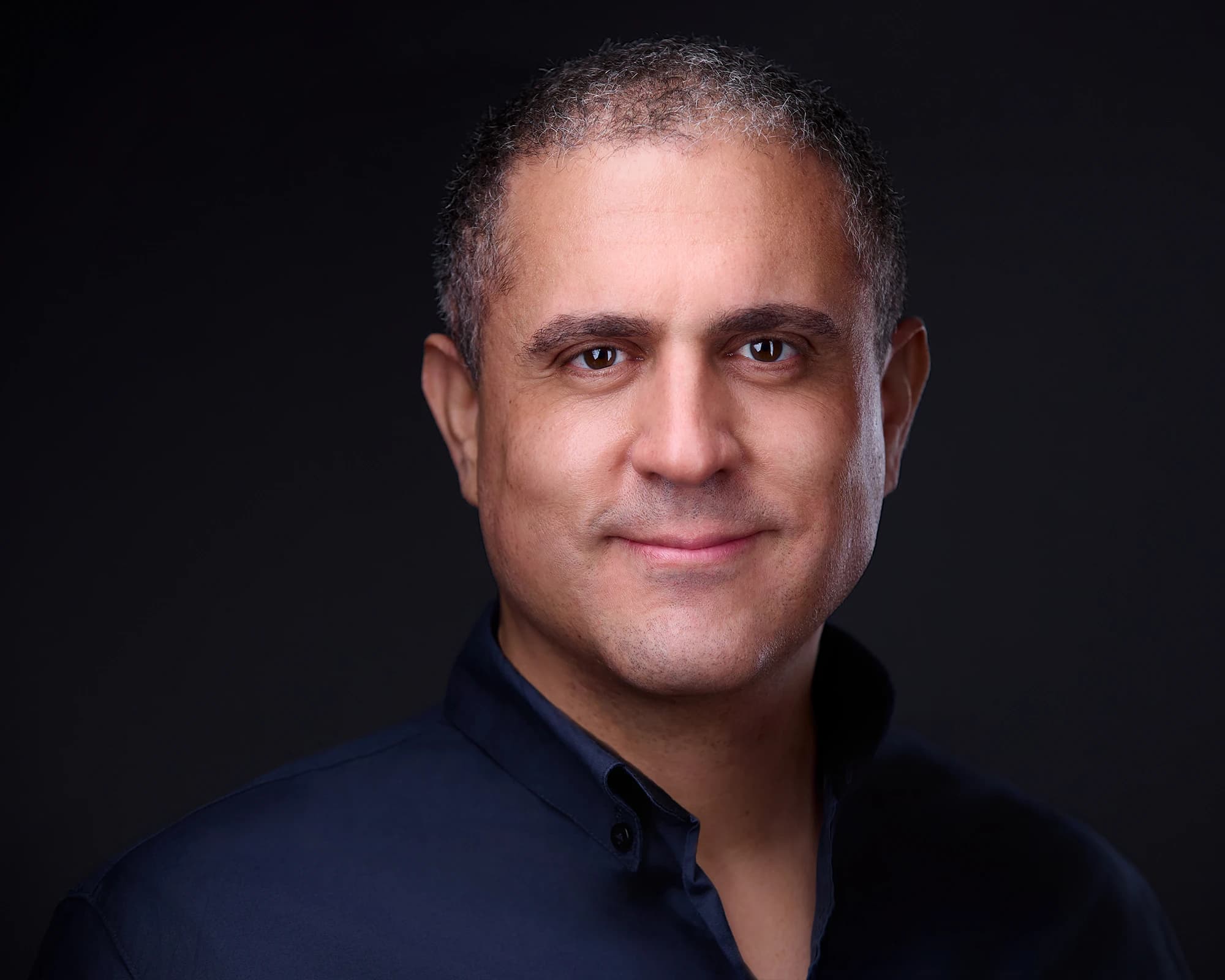
Stubble is the trickiest of the three. Two-day stubble photographs as "put-together casual." Five-day stubble photographs as "I forgot." If you wear stubble at work, time it intentionally: shave clean two days before, and arrive at the studio with two-day growth. If you can't shave on a fixed schedule, I'd rather see a clean shave or a real beard.
Clean-shaven is the easiest. Shave the morning of your session - close, but not so close that you nick yourself or leave irritation. Use a fresh blade. If you're prone to redness afterward, give yourself an extra hour for it to settle before you leave the house.
Other facial-hair details that come up every shoot:
- Trim your eyebrows if you have stragglers. Don't go aggressive. Trim what genuinely sticks out from the brow line; leave the rest alone. I'd rather photograph a slightly bushy brow than an over-tweezed one.
- Nose hair and ear hair matter more in headshots than they do at any other time in your life. The camera angles closer than people stand to you in conversation. A 30-second pre-shoot trim removes a distraction you'd never notice in the mirror.
- Sideburns should match your hair length and the shape of your face - not your neighbor's preference.
- If you're considering a major facial-hair change (shaving the beard, growing one), do it well before the shoot or after. Mid-change doesn't photograph cleanly.
You're also welcome to shave between looks if you want to capture both versions. Plenty of men do this when they're switching jobs or platforms and want a "with" and "without" option in the same gallery. It adds 10 minutes to the session and gives you genuine variety.
Skincare
Skin doesn't have to be flawless to photograph well - it has to be hydrated, well-rested, and not actively reacting to something.
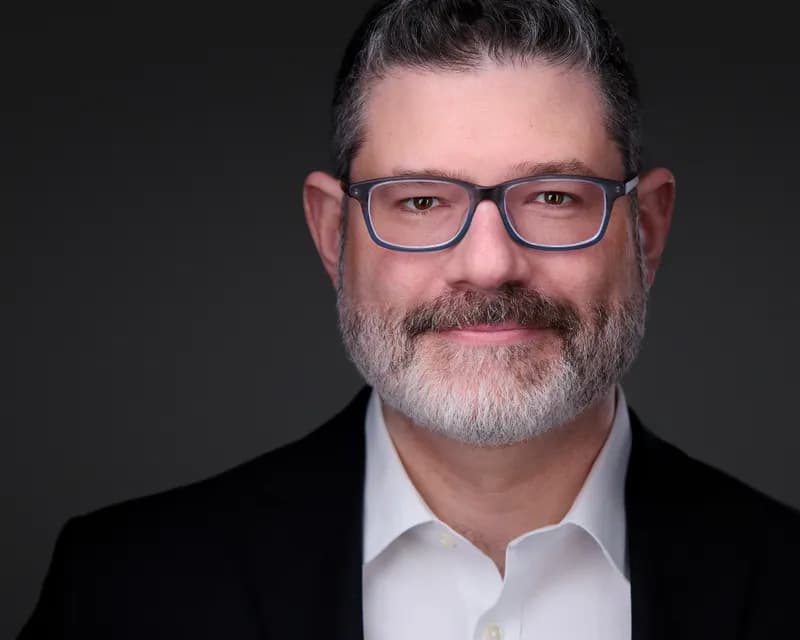
Most issues that show up on camera came from the week leading up to the shoot, not the morning of. Start hydrating three days before. Two liters of water a day, more if you work out. Skin that's even slightly dehydrated reads as flat under studio lighting. Hydrated skin reflects light cleanly and gives the camera something to work with.
Sleep is the second biggest factor. Headshots taken after a poor night's sleep are obvious - under-eye shadows are the giveaway. Block off the night before like it's a real obligation, not optional. Eight hours, even if it means turning down a Tuesday social. When we work through headshot poses for men, posture and jawline matter as much as wardrobe - both look better on a rested face.
A few additional practical points for men's skincare prep:
- Skip new skincare experiments for two weeks before your session. New retinol, new acid serum, new exfoliating product - anything new can cause a reaction that shows up on camera. Stick to your routine.
- Avoid SPF moisturizer the day of. Most SPFs cause shine on camera under studio lights. Use your regular moisturizer; we'll handle UV protection differently.
- Skip the gym the morning of. Post-workout flush takes a few hours to fade. If you train, do it the day before.
- Lay off alcohol and high-sodium food the night before. Both cause puffiness around the eyes and jawline.
- Tanning beds and sunburn: skip both for two weeks pre-shoot. A burn that's still red, or fresh tan-bed exposure that's uneven, are some of the only issues retouching can't cleanly fix.
Eye drops are an under-used trick. Lumify (or a similar redness-reducing drop) brightens the white of the eyes noticeably on camera. Use it 15 minutes before the session if you have it. If you don't, no big deal - well-rested eyes look bright on their own.
The morning of your session, keep things simple: shower, shave (or trim), moisturize lightly, eat a real meal, drink water on the drive over. No coffee jitters, no rushed breakfast, no skipped meal. Mens headshots photograph best when the person looks like he's having a good day - and most of that comes from the prep, not the lighting.
Headshot Tips for Men - FAQs
Ready to Book?
Now that you know how to prep, let's create headshots that actually look like you on a great day.