

Holiday parties, awards nights and banquets are when a company says thank you. The photos are what's left of that thank you the next morning: the post on LinkedIn, the slide in January's all-hands, the honoree's picture in the newsletter, and next year's invitation.
This guide is for the people planning those nights: HR leads, office managers, event planners, nonprofit development teams. It covers what to send your photographer, what good coverage looks like at each kind of event, what to plan for on the day, and what you'll get back. For pricing and hiring detail on conferences and larger events, see our conference and event photography guide.
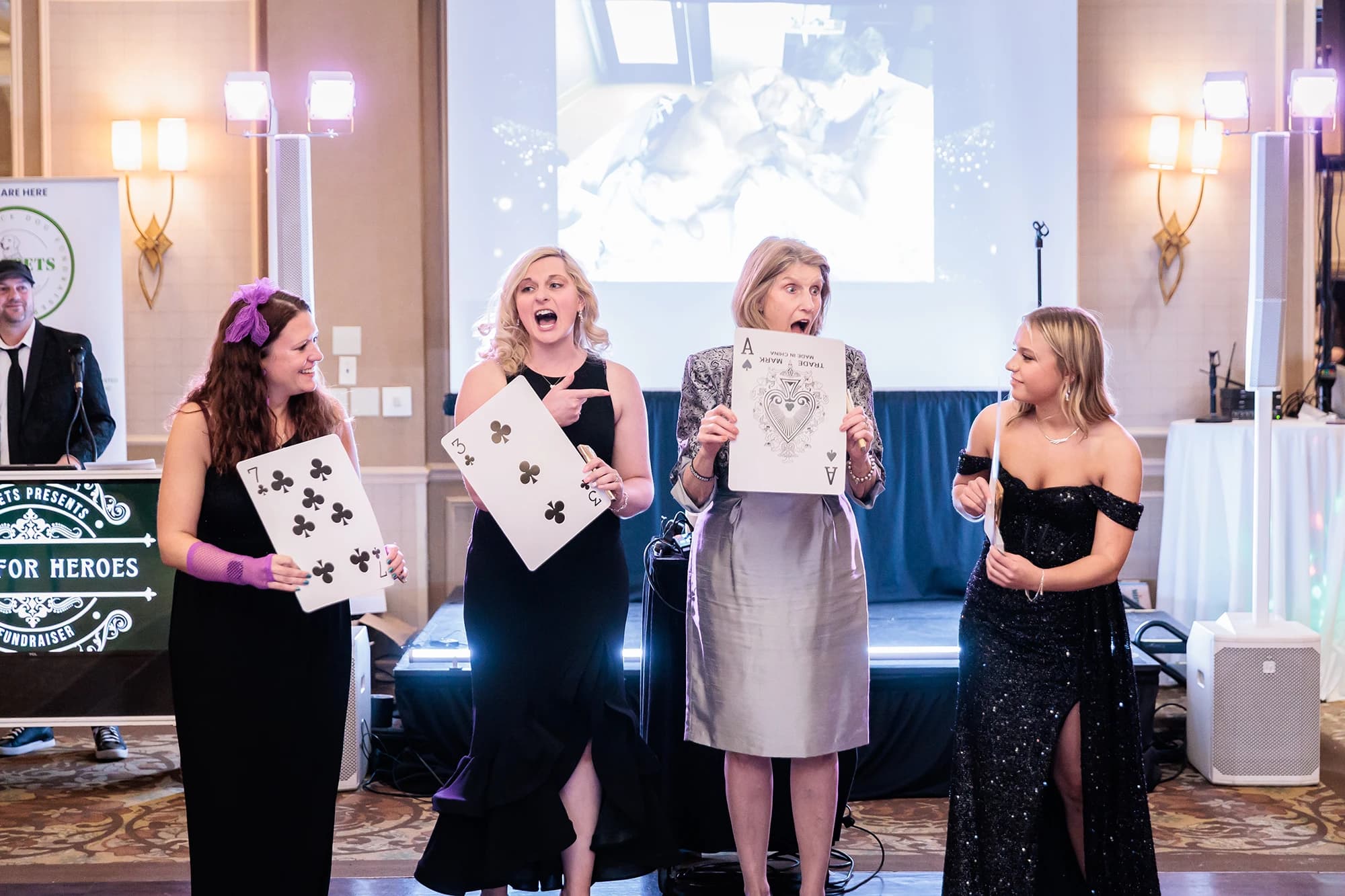
Book in October or Early November
The best time to book a photographer for a December party is October and the first two weeks of November, before the calendar starts filling up. December weekends and Thursday and Friday nights go first.
Don't assume a daytime party is safe, either. More and more companies and organizations hold their holiday party over lunch, so midday dates in December book up too. If your party is on the calendar and you haven't booked yet, reach out now even if the agenda isn't settled. The date is what needs holding; the details can follow.
What to Send Your Photographer Two Weeks Out
The single most useful thing you can do is put the night in writing. Plans made in a hallway conversation get lost; an email doesn't. One message about two weeks before the event should cover:
- The agenda. Arrival time, dinner service, speeches, awards, games, entertainment, last call. Even a rough one lets us be in the right spot for each moment instead of guessing.
- Must-have people. Executives, honorees, sponsors, retirees, the person who planned the whole thing. Add a way to recognize them: a headshot from your website, a name tag color, or someone who can point them out.
- The award order, if there are awards. Knowing who is called next is how we get the walk up to the stage, the handoff and the reaction from their table.
- Group photos you want. Departments, the leadership team, the planning committee, all the winners together. Tell us when in the night they should happen.
- Venue logistics. When the room will be set (coverage starts 30 minutes before guests arrive), where to park, which entrance, and a contact who will be on site.
- Dress code. We dress to blend into your room. Black tie means formal black for us, too.
- Where the photos are going. Social posts the next morning, the internal newsletter, a press release, next year's sponsor deck. This shapes what we prioritize.
No shot list yet? Ask for one. We'll send a draft built from your agenda that you can mark up, so nobody remembers the CEO's toast at 11 pm.
What Good Coverage Looks Like
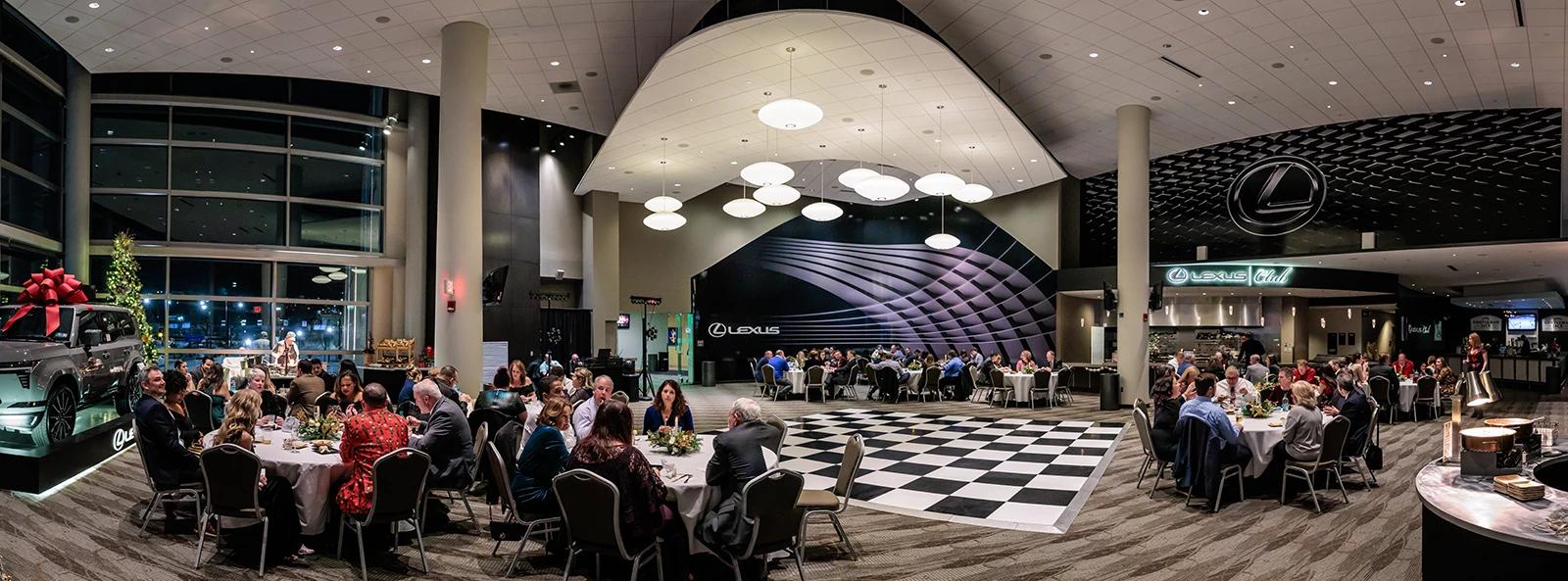
Every event starts the same way: the room before guests arrive, the decor and signage, arrivals, and people talking in small groups. After that, each kind of night has its own priorities.
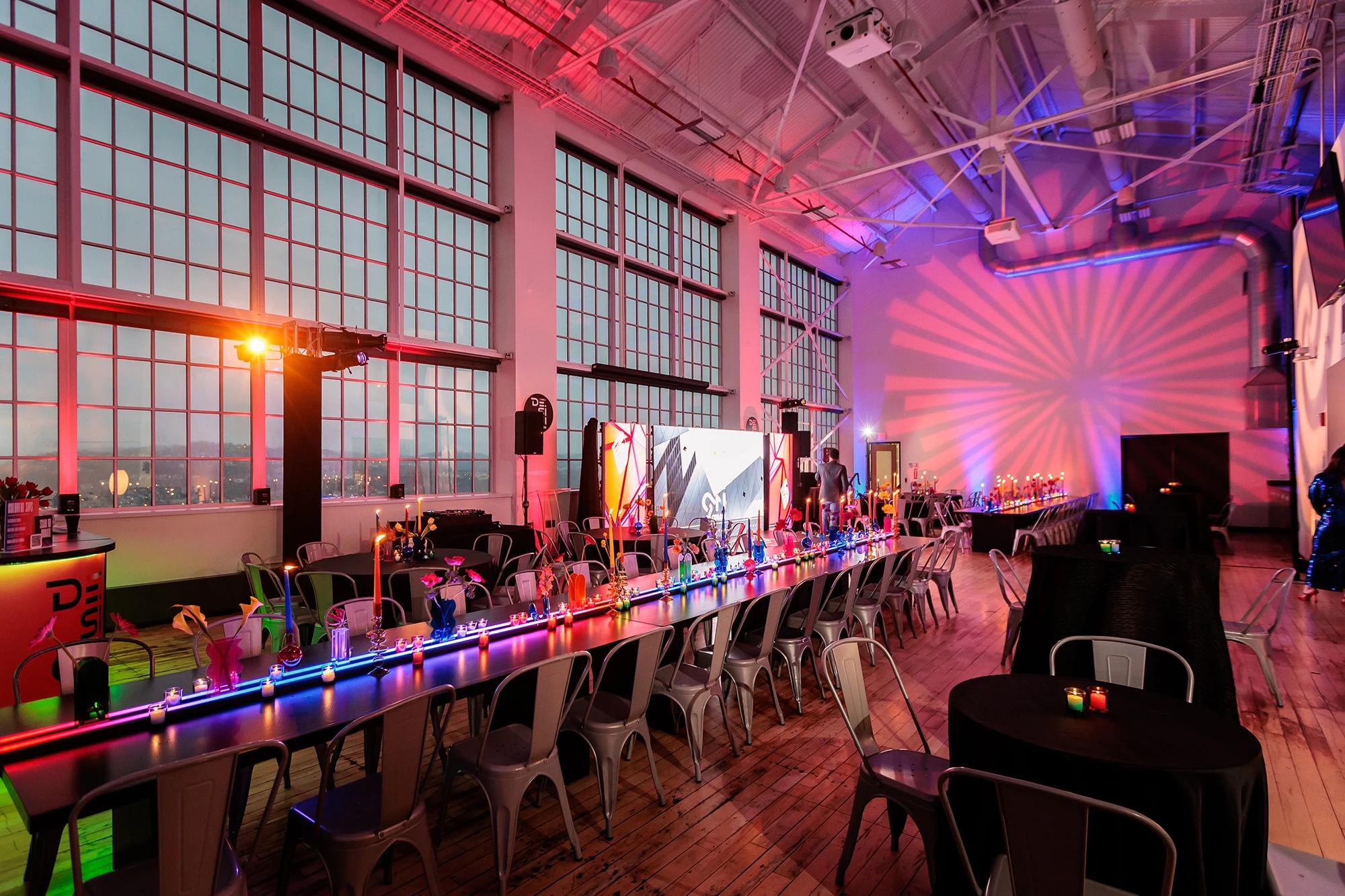
Holiday Party Photography
- The room before doors open: lights, decor, the bar, themed details and the team setting up behind the scenes. Your events team worked hard on it, and it's empty for only a few minutes, which is why coverage starts 30 minutes before guests arrive.
- The first hour. Teams and departments in small groups, coworkers who don't usually see each other, people arriving. The first hour, before the drinks have done their work, is when people look their best and are happiest to be photographed.
- The welcome or toast from leadership, with the room listening.
- Games, raffles, gift exchanges and ugly-sweater contests, including the winners and the crowd's reaction.
- The dance floor once it's actually full.
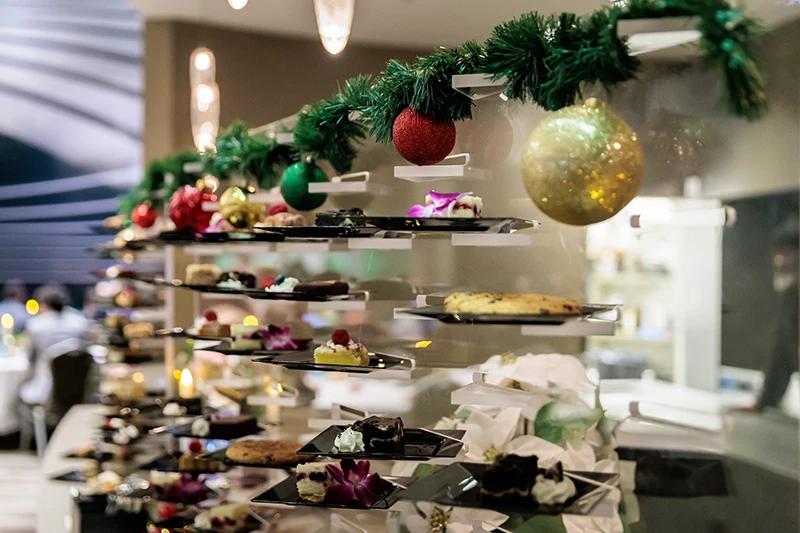
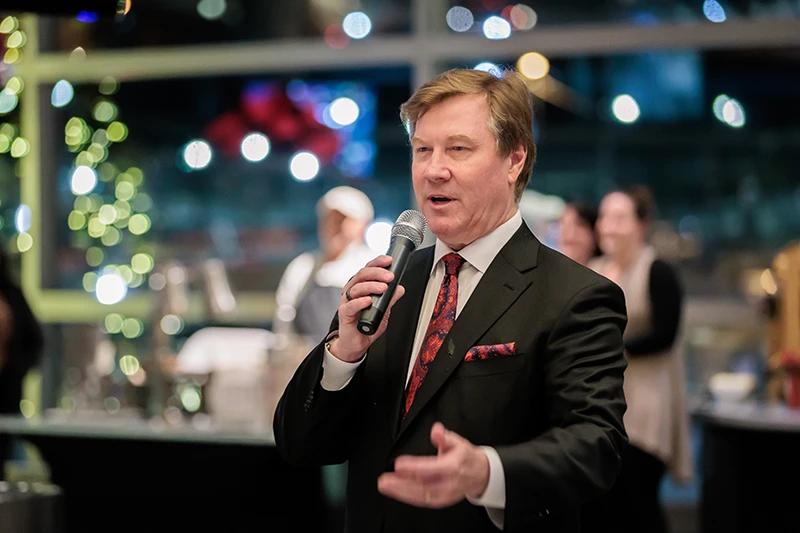
Awards Photography
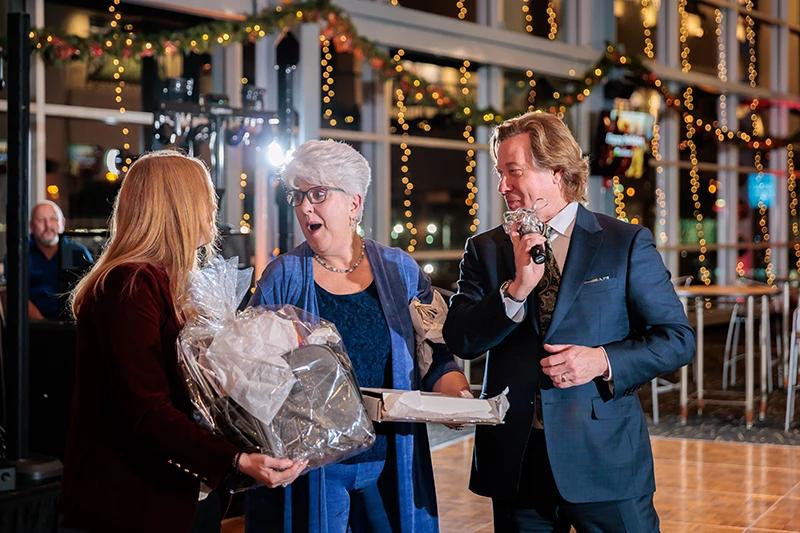
- Every honoree, in three pictures: walking up, the handoff with the presenter, and a posed photo with the award.
- Reactions from the honoree's table when their name is called. These are often the best photos of the night.
- The host and every presenter at the podium.
- All the winners together at the end of the program, before anyone leaves.

Stage stairs are where the best awards photos happen and the worst ones, too. Ask your AV team to light the stairs and the podium, and if a memorial or religious moment is on the agenda, tell us so we put the camera down.
Banquet and Gala Photography
- The room set before guests sit: centerpieces, place settings, the stage.
- The cocktail hour and the step and repeat, where guests are dressed up and want their picture taken.
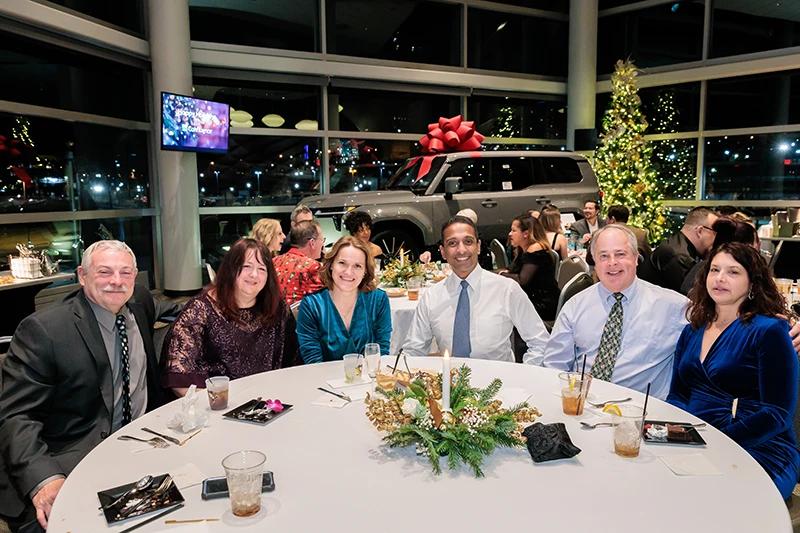
- One quick photo per table, taken between courses.
- Keynotes, toasts, the fundraising appeal and the paddle raise.
- VIPs, sponsors and board members together. Sponsors expect to see these photos.
- Entertainment and dancing.
The Rules We Follow So Your Guests Don't Notice Us
- Nobody gets photographed while eating. We work between courses, and candids wait for the cocktail hour, speeches and dancing.
- No flash during speeches, toasts, prayers or memorial moments. Fast lenses handle dark ballrooms without lighting up the room. Flash is kept for posed photos and the step and repeat.
- We stay out of sightlines, working from side aisles and the back of the room during the program.
- We stay findable. Your on-site contact always knows where we are, because the best unplanned moments ("the founder just walked in") come through them.
- We're working, not attending. No drinks, and our phones stay in our pockets.
What to Plan for Your Photographer
A few small details on your side make for a better night and better photos:
- A meal. Most holiday parties and awards nights are banquet style, and it's an unwritten rule that the photographer and event staff are fed. At a plated dinner, set a plate aside for the photographer or ask your caterer for a staff meal.
- A break during dinner service. It's the one stretch of the night with nothing worth photographing, so that's when the photographer eats, never during speeches or awards.
- A secure spot for gear, out of guest traffic.
- Parking or a loading spot, especially at downtown Pittsburgh hotels.
- Power and floor space if you add a step and repeat or a headshot station.
Add-Ons Worth Asking About
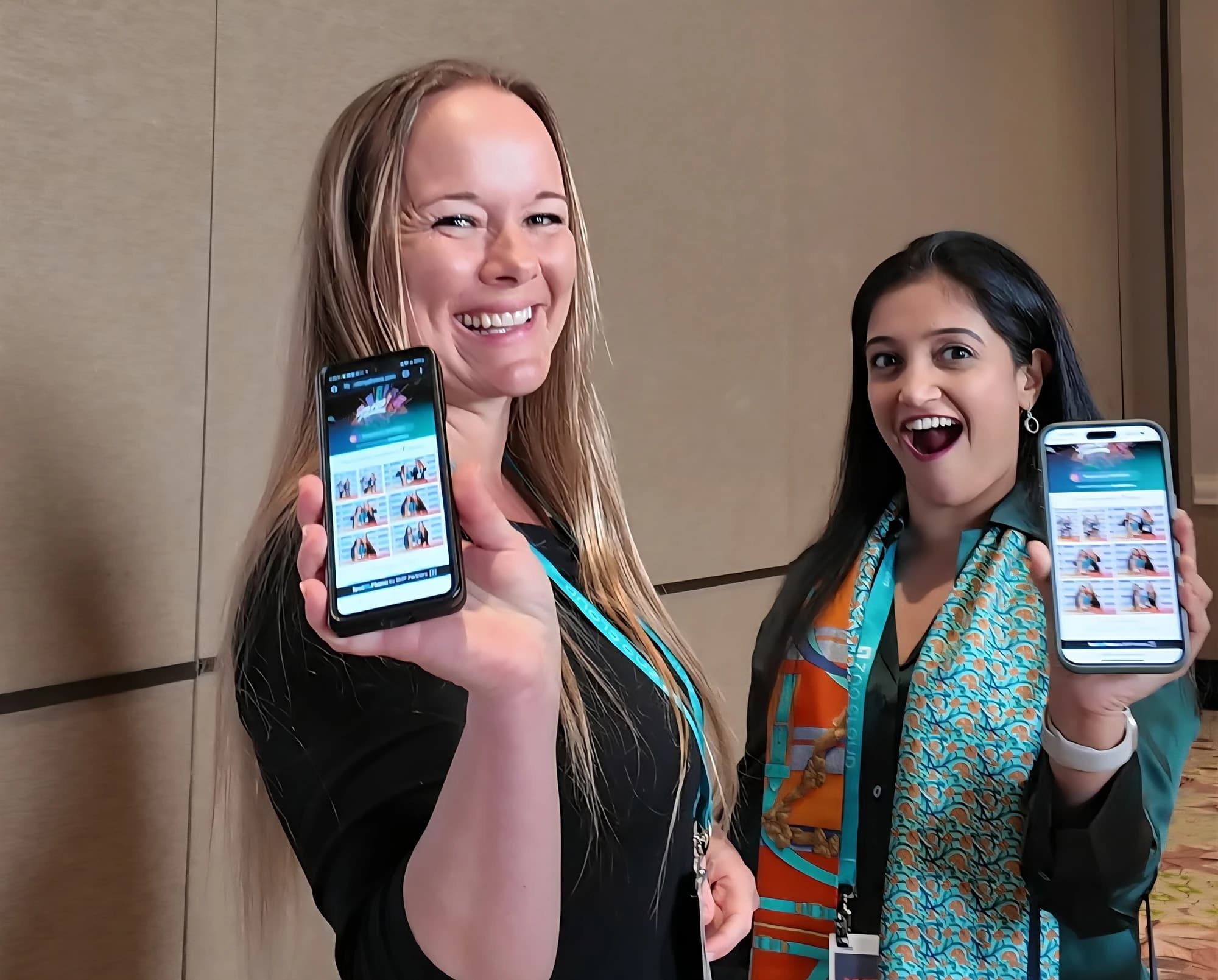
- Instant photo delivery. Guests scan a QR code once, and their photos from the step and repeat or headshot station arrive on their phone within minutes of being taken, in a private gallery of only the photos they're in, with your branding. It's the add-on guests talk about afterward.
- A step and repeat. A branded backdrop is where guests take the photos they'll actually post. See step and repeat photography.
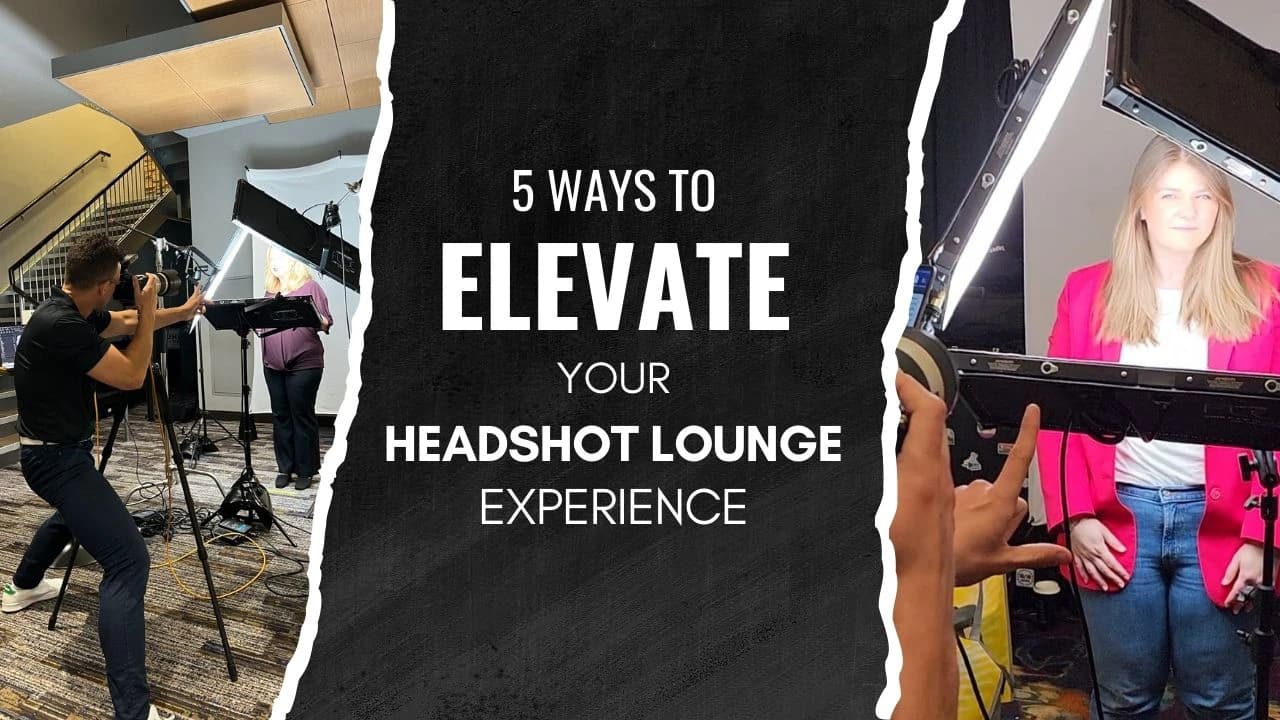
- A headshot station. Your team is already dressed up. A corner of the venue becomes a studio and everyone leaves with a new LinkedIn photo. See how to add headshots to a company event.
- Same-day social picks. A small set of edited photos the same night, so your comms team can post while people are still talking about it.
Instant delivery changes the feel of a step and repeat. Instead of waiting a week for an email, guests see their photos before they're back at their table, and many of those photos are on LinkedIn and Instagram before dessert.

What You'll Get and When
Agree on the delivery time and roughly how many photos you'll get before the event, and get it in writing. Our standard:
- The full edited gallery in 2 days, with same-day delivery available.
- Photos sized for every use: full resolution for print and your website, plus smaller files ready for social posts and newsletters.
- A gallery you can share with your team or attendees, or keep for HR and marketing only. Tell us which.
For most holiday parties and banquets, the standard gallery is plenty. Same-day delivery earns its cost when sponsors, press or a live social campaign are waiting on the photos.
Event Photography Cost and Coverage Hours
A professional event photographer costs real money, so budget for it. You're paying for someone who has photographed hundreds of dark ballrooms and stage handoffs, carries backup cameras and insurance, and spends hours editing after the party ends. Here's what corporate event coverage typically costs in the US in 2026:
| Market | Typical hourly rate | Usual minimum |
|---|---|---|
| Most US cities | $250 - $350 per hour | 2 - 4 hours |
| New York, Boston and other major cities | $300 - $600 per hour | 2 - 4 hours |
| Pittsburgh | $150 - $300 per hour | 2 - 4 hours |
Holiday parties and banquets usually book as a three- to four-hour block. Awards nights that are part of a conference, and galas with a long program, more often book as a half day or full day.
Common Add-On Fees
| Add-on | Typical cost |
|---|---|
| Same-day social media picks | about $200 flat |
| On-site printing (needs an assistant) | $300 - $800 flat |
| Branded QR code sign for the photo gallery | about $450 per sign |
| Video highlight reel | $500 - $1,500 |
| Expanded commercial usage rights | quoted per use |
| Travel outside the photographer's area | mileage or a flat rate; many include 30 - 60 miles |
When you compare quotes, also ask how the photos are delivered (instant to guests' phones, or a gallery for HR or attendees), how long the gallery stays online, how long the photos are archived, and whether the event needs a second photographer or an assistant. Those are where two quotes for the same hours can differ.
Coverage starts 30 minutes before guests arrive. That half hour is when we photograph the decor, the empty room and the behind-the-scenes setup. So a party from 5 to 8 is quoted as coverage from 4:30 to 8. If you book three hours for a 5 to 8 party and later ask us to come at 4:30, we're happy to, but the coverage then runs 4:30 to 7:30. Building the extra half hour in from the start avoids that surprise.
For half-day, full-day and multi-day rates, see our conference and event photography guide, or tell us your date and agenda for an exact quote.
After the Party
Two weeks after the event, we ask the person who hired us one question: what would make next year better? Then we note the date of your event so we can reach out before your next one books up. Event planning runs on a calendar, and so do we.
If your holiday party, awards night or banquet is coming up in Pittsburgh or nearby, send us the date, the venue and whatever agenda you have. We'll take it from there.