
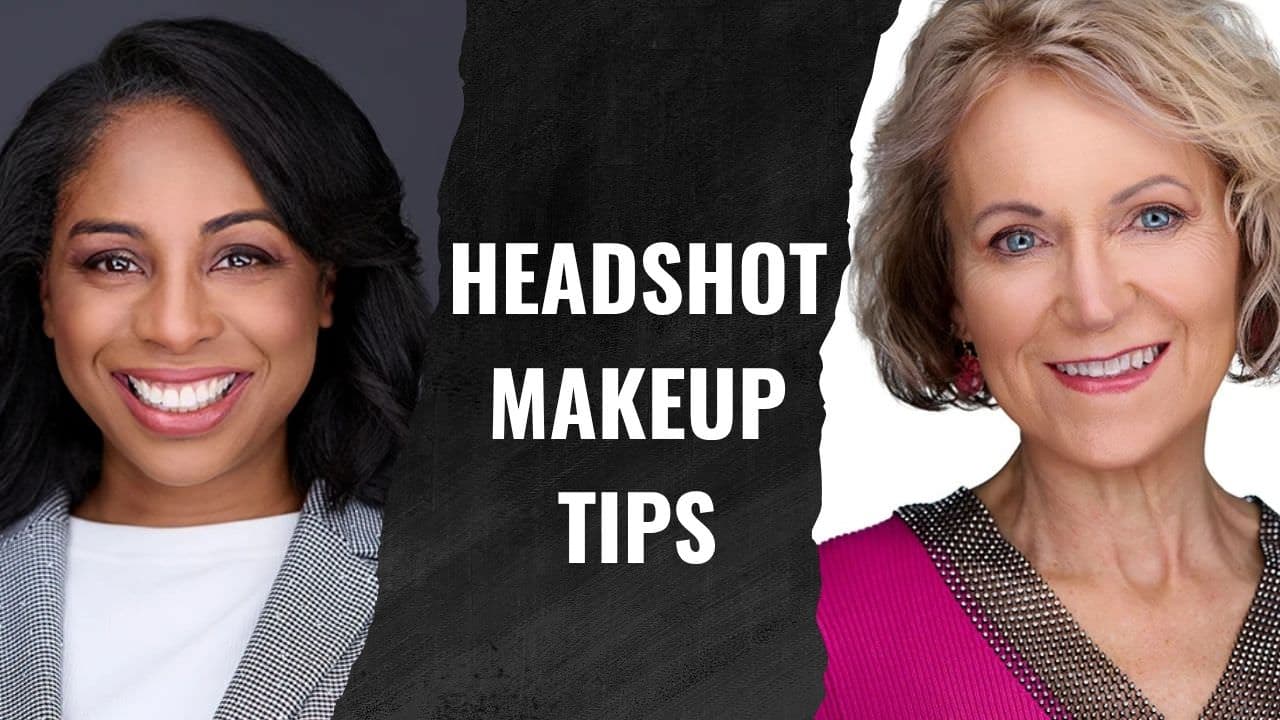
Great makeup for headshots is the kind nobody notices. It is very different from wedding makeup or a sweet sixteen look, where the makeup is meant to be seen and becomes part of the photo. Makeup for professional headshots has one job: to represent you on your best day and then get out of the way so your expression can do the talking.
That distinction trips up a lot of people. The same products and techniques that look stunning at a wedding can quietly ruin a headshot because the camera, the close crop and the studio lights change how your makeup is seen. Below are the eight tips we come back to again and again with our clients - the same principles a good headshot makeup artist follows.
1. Great Makeup Starts With Skin Prep
Do not skip skin prep. It is the foundation that everything else sits on, and it makes the entire application go more smoothly. The right prep depends on your skin type: oily, dry, or a combination of both. A good moisturizer and primer matched to your skin help your makeup sit evenly and stay put through the session instead of getting cakey or sliding off under the lights.
This starts days before you ever sit in the chair. Hydrated skin simply photographs better than dehydrated skin, so drink plenty of water the week of your session and get a good night of sleep before. We cover the full pre-session routine in our guide on how to prepare for a headshot, but the short version is this: well-prepped skin needs less makeup, and less makeup almost always looks better on camera.
Warning: Do not try new products or change your skincare routine in the two weeks before your session. A surprise breakout or reaction is the last thing you want on camera, so stick with what your skin already knows.
2. Match Your Skin Tone and Undertone
This is one of the most important steps and also one of the hardest. A great makeup artist reads not just the color of your skin but your undertone - the warm, cool, or neutral hue underneath - and matches both. Get this right and the makeup vanishes into your skin and looks natural. If you get it wrong, I promise you it will show up in your headshot images.
Matching tone well takes a genuine artistic eye and real experience across many different skin types and shades. Just as a skilled photographer knows how to color-balance lights to match your face and can identify your authentic skin tones, a skilled makeup artist blends the colors to match your one-of-a-kind complexion. There is no single "right" shade out of the bottle.
3. Keep Your Foundation Light
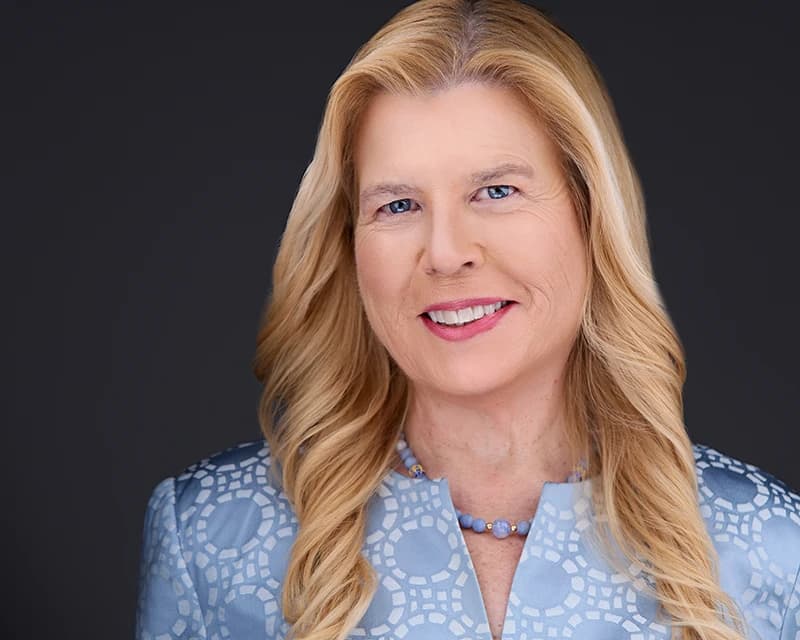
Almost nothing ruins a headshot faster than too much foundation. The pros start with a thin layer and build coverage only where it is actually needed, rather than coating the whole face. The same goes for concealer, which is usually best a single shade lighter than the foundation and applied only to the spots that need it.
Here is the part people do not expect: blemish removal is already part of a good headshot photographer's retouching workflow. We take care of breakouts, redness, and uneven patches after the shoot while keeping real texture in your skin, so you look human and not airbrushed into oblivion. That means heavy foundation is not just unnecessary, it is counterproductive. Properly applied foundation should be hardly noticeable. Caked on, it shows in the final image and steals attention from the most important part of your headshot - your expression.
Trust the retouching. You do not need to "cover" every imperfection with makeup before the session. Light, even coverage plus our retouching beats heavy makeup every time.
4. Aim for Soft and Open Eye Makeup
The last thing you want in a headshot is for your eyes to look dark and closed in - and that is exactly what heavy eye makeup does. Thick or winged eyeliner, dark shadow, and heavy mascara all shrink the eyes and surround them with hard, distracting lines. In a headshot, we want your eyes open, bright, and connecting with the viewer.
Instead of black, reach for brown or dark brown to create a soft line that defines without detracting. Keep mascara to a maximum of two coats and run a clean wand through your lashes afterward to separate them and avoid the spider-leg clumping.
As for fake eyelashes: skip them. For corporate and acting headshots they are not necessary at all, and they tend to make the eyes look dark while casting strange little shadows around them. They almost always lower the success of the shot rather than raise it. Heavy lashes also weigh down the eyelid, further diminishing the light that reaches your eyes and dulling the bright, open look we are after.
5. Pick a Lip Color That Contrasts Your Skin
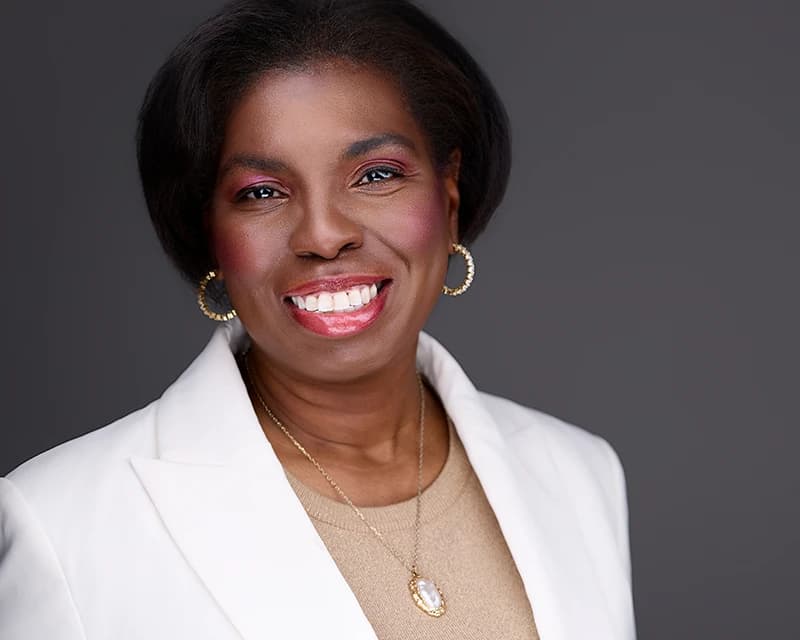
A common mistake is choosing a lip color that is nearly identical to your skin tone. It looks perfectly fine in the mirror, but on camera your lips blend right into the rest of your face and lose all definition. You do not need anything bold or dramatic - just a shade that separates your lips from your skin so they read clearly in the photo.
Think one or two steps away from your natural lip and skin color. A soft rose, a muted berry, a warm nude that is slightly deeper than your skin - whatever gives a little natural contrast. The point is simply to keep your lips from disappearing.
6. Keep Your Brows Soft and Natural
Brows frame the face, but only when they look like brows and not like they were drawn on. To keep them natural, build them up gradually with brow powder or a fine pencil and brush through repeatedly so the color blends and the hairs stay soft. Match the brow color to the roots of your hair rather than going darker.
Thickly painted brows with hard, defined edges become a magnet for the viewer's attention, and they pull focus away from your eyes and your overall expression. The last thing you want is for someone to look at your headshot and notice your eyebrows first.
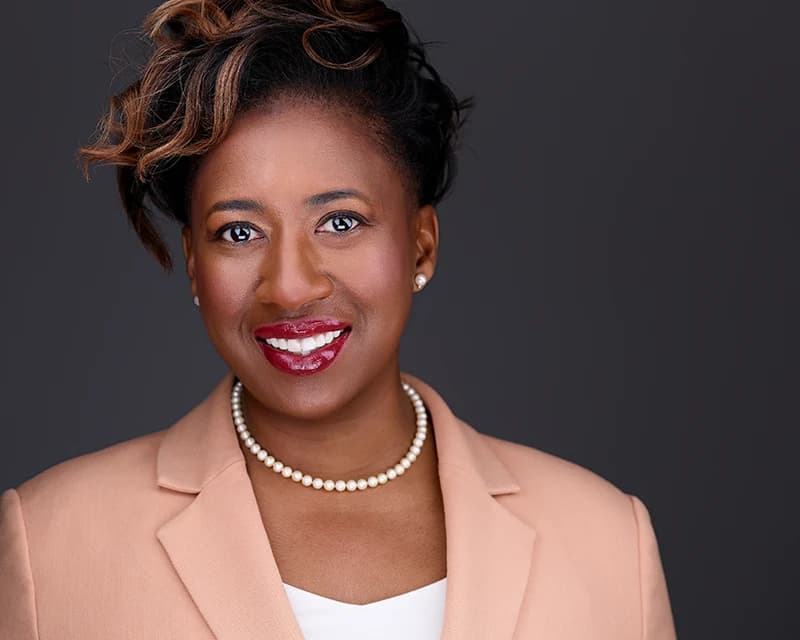
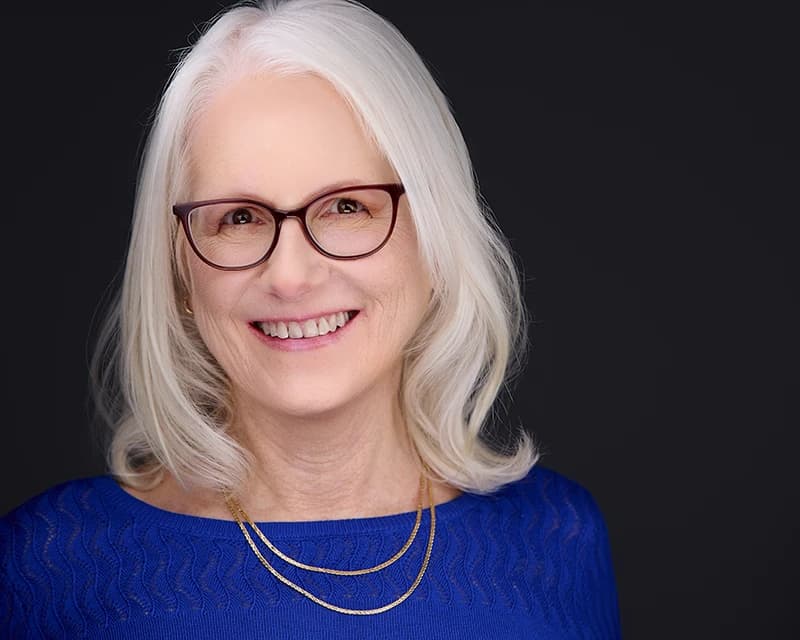
7. Avoid Highlighter and Shimmer. Go Matte.
This one is non-negotiable in the studio. Avoid any product with reflective or shimmer properties and choose matte finishes instead. Anything reflective on your face will bounce our studio lights straight back into the camera, creating shiny hot spots on your skin that are distracting and difficult to retouch cleanly.
That means matte foundation, matte shadow, and matte powder to control shine on the forehead, nose, and chin. The one exception is your lips: a light lip gloss can add a healthy bit of dimension and life, where a fully matte lipstick can sometimes look a little flat. Everywhere else, matte wins.
If a product catches the light when you tilt your hand under a lamp, it will catch our studio lights too. When in doubt, choose matte.
8. Less Is More.
Every tip above rolls up into this one. The best headshot makeup looks like almost no makeup at all. That is the whole point of natural makeup for headshots: enough to even you out and define your features, not enough to announce itself. Our makeup artist likes to call our approach "Natural-Plus" - it feels like a lot going on while you are in the chair, but it does not look like a lot in the final image. That is the complete opposite of wedding and event makeup, which is designed to be seen and to become part of the image. For corporate and acting headshots, makeup should look natural and stay quietly in the background.
Never forget what the makeup is actually for: to show you on your best day. The single most important part of your headshot is your expression - the thing that makes someone want to engage with you, hire you, or call you in for the role. Makeup that distracts or competes with that expression is working against you, whether you are updating LinkedIn, going after a promotion, or trying to get noticed by a casting director.
Do You Need a Makeup Artist for Your Headshot?
For our clients who normally wear makeup, we recommend working with a professional headshot makeup artist on the day of the session for the best possible result. A good artist nails the tone match, knows how products behave under photography lighting, and frees you up to relax instead of fussing in the mirror.
To make that easy, we offer in-studio hair and makeup for headshots at our Pittsburgh studio, tailored specifically to our shooting style - the "Natural-Plus" look our artist is known for, where it feels like a lot going on in the chair but never looks like a lot in the final image. You can simply add it to your session and skip the guesswork entirely. These appointments book up quickly, so if you want it, reserve it well in advance. And if you would rather do your own makeup, that is completely fine - the eight tips above will get you a clean, camera-ready look.
A Quick Word on Headshot Makeup for Men
Headshot makeup is not just for women. Most men do not need a full application, but a light touch helps more than you would think. A dusting of oil-control powder cuts the shine that studio lights love to find on the forehead and nose, and a small amount of concealer can calm a blemish or a dark under-eye. Everything else - stray hairs, the occasional spot, slightly uneven tone - we handle in retouching. The rule is the same as it is for everyone: matte and minimal.
The Bottom Line
Professional headshot makeup is a craft of restraint. Prep your skin, match your tone precisely, keep coverage light, soften the eyes, give your lips a little contrast, keep your brows natural, banish shimmer, and above all keep it simple. Do that and the makeup disappears, leaving the one thing that actually sells a headshot front and center: you, looking like yourself on your very best day.
Makeup is just one piece of looking your best on camera. For the rest, see our full headshot preparation guide, which covers wardrobe, hair, and what to expect on the day.
Have questions about getting ready for your session, or want us to handle hair and makeup for you? Reach out to us - we are happy to help you look your best.