
Most people don't actually search for the importance of professional headshots. They search for something more honest: do I really need one, and is it worth the money? You already own a phone that shoots in 4K and probably know someone who's "good with cameras." So let's answer the real question directly, using what the research says and what I see in my studio almost every week.
You're judged in a tenth of a second
Here's the uncomfortable part. Before anyone reads your headline, your bio, or your pitch, they've already sized you up from your face. A widely cited Princeton University study found that people form judgments about a stranger's trustworthiness and competence after seeing their face for roughly 100 milliseconds - a tenth of a second. Giving them more time didn't change the verdict much; it just made them more confident in it.
That's the whole case for a professional headshot in one sentence: the photo is doing real work before you ever get to speak. The only question is whether it's working for you or against you. A dim selfie with a cluttered background and harsh overhead light sends a signal. So does a clean, well-lit, current headshot. You don't get to opt out of the snap judgment - you only get to decide what it's based on.
Are professional headshots worth it?
This is the question that actually matters, so let's be concrete about it. The reason a headshot is worth it isn't the photo - it's the leverage. You take one image, once, and then it works for you everywhere for years:
- LinkedIn - the first thing every recruiter, prospect, and new connection sees
- Your company's website and team or "About" page
- Conference and speaker bios, panel slides, and event programs
- Press, podcasts, and guest articles where the host needs a photo of you
- Proposals, pitch decks, and email signatures
One photograph, dozens of touchpoints, used over two or three years. When you divide what you paid by the number of times that image represents you, the cost per impression is almost nothing - and every one of those impressions is shaping how seriously people take you. That's what makes a headshot one of the highest-leverage, lowest-cost investments in your professional presence. (If you want the actual numbers, I broke down what headshots cost and what drives the price in a separate guide.)
Compare that to most things we spend money on to look professional - a suit you wear occasionally, a website redesign, a conference ticket. A headshot quietly outworks all of them, because it shows up in more places, more often, for longer.
Do you need a professional headshot for LinkedIn?
If LinkedIn is part of how you find work, clients, or talent, then effectively yes. According to LinkedIn's own data, profiles with a photo receive around 21 times more views and 36 times more messages than profiles without one. The photo isn't a nice-to-have on LinkedIn - it's the prerequisite for everything else. Nobody clicks into, reads, or messages a faceless gray circle.
And it's not just having a photo, it's which one. A blurry crop from a wedding, a vacation selfie, or a photo with someone else's arm still in the frame all read as "didn't think this mattered." A clean headshot with simple light, a non-distracting background, and a genuine expression reads as "this person is serious." On a platform built entirely around professional credibility, that contrast does a lot of quiet work. (This is exactly what a dedicated LinkedIn headshot session is built to produce.)
In my studio, the people booking a new headshot are almost always at an inflection point - a promotion, a job search, a new role, a rebrand, or finally launching the business they've been talking about for years. That's not a coincidence. The headshot is how they signal, to everyone who looks them up, that something has changed and they're ready for it. The photo follows the ambition.
What an outdated or DIY headshot quietly costs you
The flip side rarely gets talked about, because the cost is invisible. Nobody emails to say "I didn't reply because your photo looked ten years out of date" or "your selfie made you seem less established than your competitor." They just quietly move on, and you never see the opportunity that didn't happen.
Two of the most common own-goals I see:
- The decade-old headshot. It was great in its day, but now there's a visible gap between the photo and the person who walks into the room. That gap doesn't read as "aged well" - it reads as "out of touch," and worse, it makes people wonder what else is out of date.
- The phone selfie stand-in. Phone cameras flatten and distort your features at arm's length, struggle with flattering light, and almost never produce the consistent, polished look that reads as professional. It's fine for a casual profile. In the contexts where you're being evaluated, it's the difference between looking like you're trying and looking like you've arrived.
Neither of these is a disaster on its own. But they compound. Every stale or sloppy image is a small tax on your credibility, paid over and over in moments you'll never get to observe.
Match the headshot to where it lives
A headshot isn't one-size-fits-all. The right amount of formality depends on where the image is going to live.
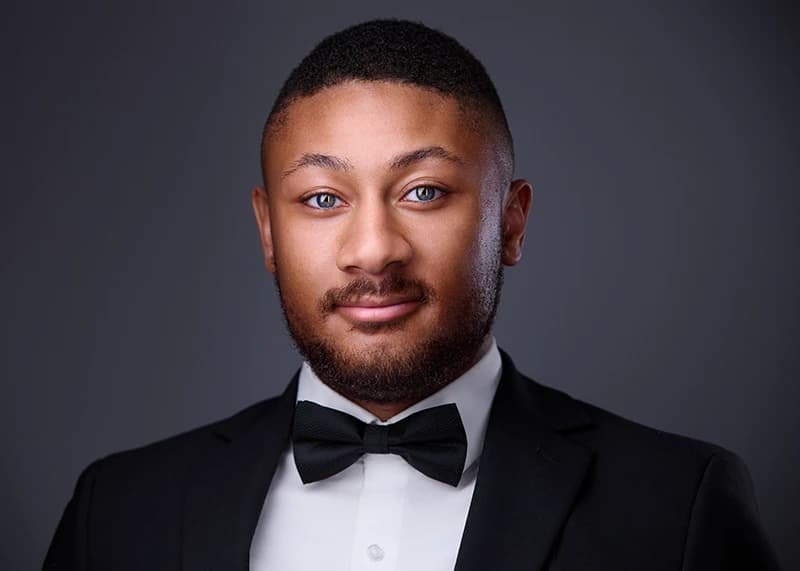
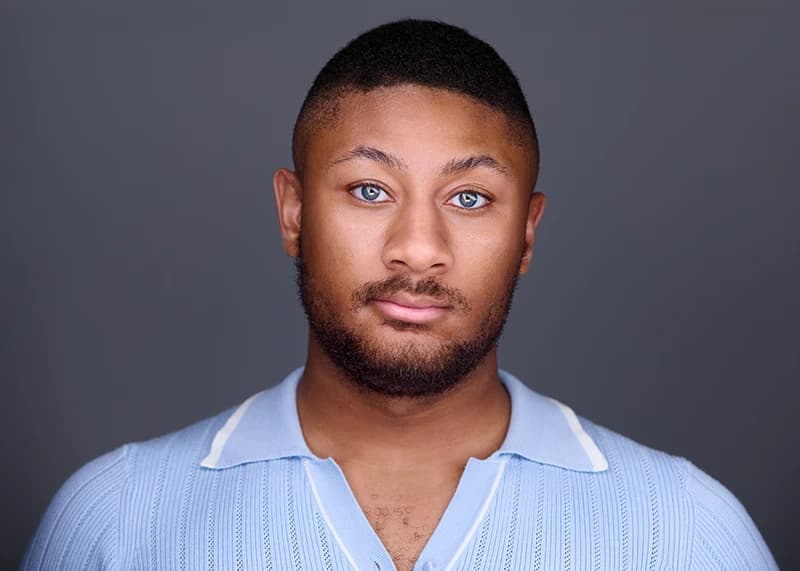
A corporate website, a law firm bio, or a finance LinkedIn profile usually calls for a more formal, authoritative look. A creative founder, a coach, or a community-facing role can lean warmer and more approachable. A good photographer will shoot you a couple of ways in the same session, so you have the right version for the boardroom and the right version for Instagram - without booking twice. The aim is always the same: the photo should look like the most confident, on-a-good-day version of the real you, not a stranger.
How often should you update your headshot?
Here's the rule of thumb I give everyone: update your headshot every two years, and sooner whenever something meaningful changes. A few clear triggers:
- You're job searching or going for a promotion - this is the single best time to refresh.
- Your appearance has shifted - new glasses, a different hairstyle, going gray, a noticeable change in weight.
- You've changed roles, companies, or rebranded your business.
The test is simple: if you walked into a meeting, would the person holding your photo recognize you instantly? If there's any hesitation, you're overdue. A current headshot keeps your in-person self and your digital self in sync - and that consistency is the credibility.
Why teams should care too
Everything above scales up. When an entire team has mismatched headshots - some professional, some cropped from a phone, some missing entirely - the company page looks improvised. When everyone has consistent, professionally lit photos against the same background, the brand instantly looks more established, more trustworthy, and more like a place clients want to work with.
That consistency is its own form of marketing. It humanizes the company, makes the team feel real and approachable, and signals that the organization sweats the details. It's why I encourage businesses to treat team and corporate headshots as a brand asset rather than an HR afterthought, and to refresh them on a regular cadence as people join (see how I approach company headshots for a whole team in one efficient session).
So, back to the question you actually came here to answer. Is a professional headshot worth it? If your face shows up anywhere people decide whether to trust you - it's one of the easiest yeses in your entire professional toolkit.